The short answer
If your Prince's Bay chimney has a cracked, deteriorated, or missing liner, or you're switching your heating system from oil to gas, a new liner is often the safest fix. We inspect the flue first, then install a liner matched to your appliance or fireplace so exhaust vents properly and the masonry is protected.
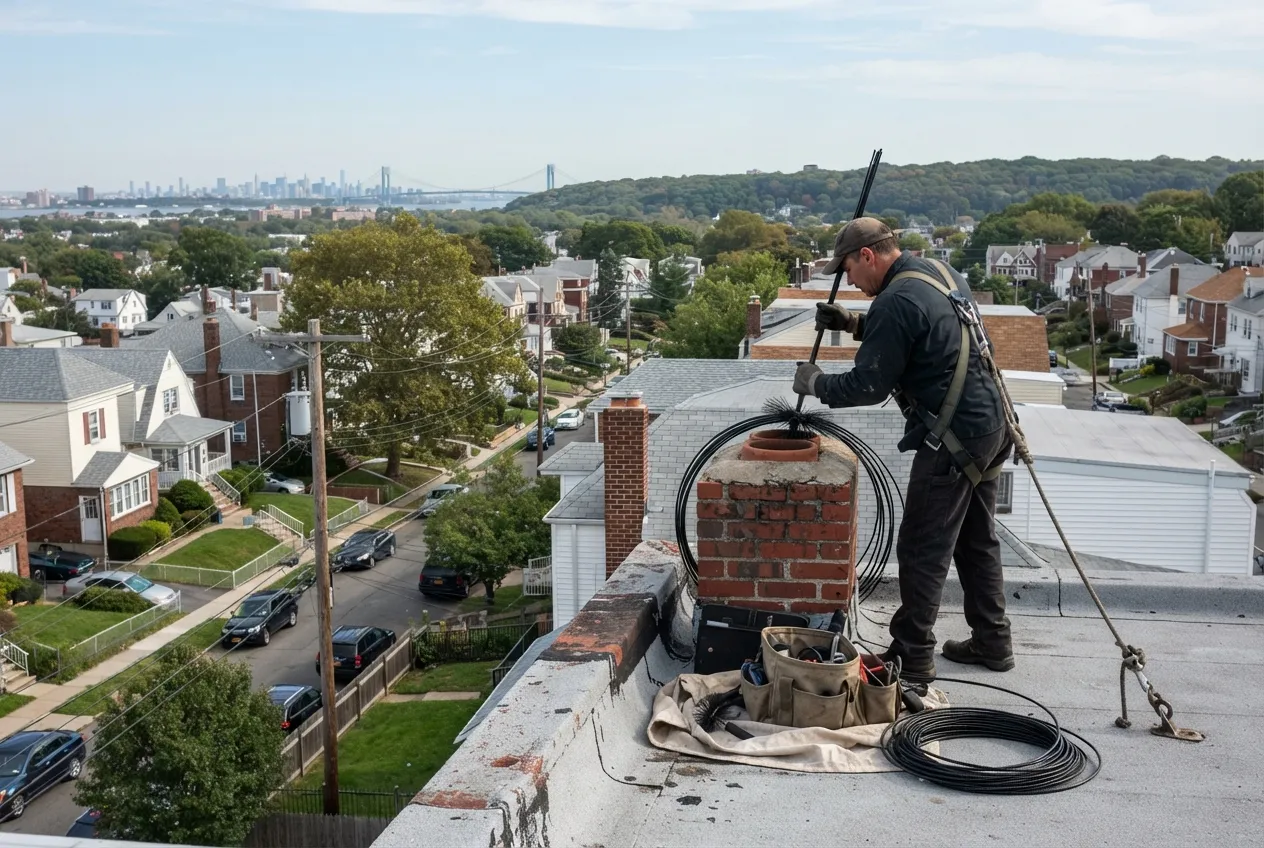
A chimney liner is the protective channel inside your chimney that carries smoke and exhaust gases up and out of your home. In Prince's Bay, many homes are detached houses with masonry chimneys serving a boiler, a furnace, a water heater, or a wood-burning fireplace. Over time, clay tile liners crack, mortar joints wear out, and some chimneys were built with no liner at all. BluePeak Chimney Service is about a mile from Prince's Bay, so our certified technicians can easily inspect your flue, explain what we find, and install a liner sized for the appliance it serves.
Why Liners Matter in Prince's Bay Homes
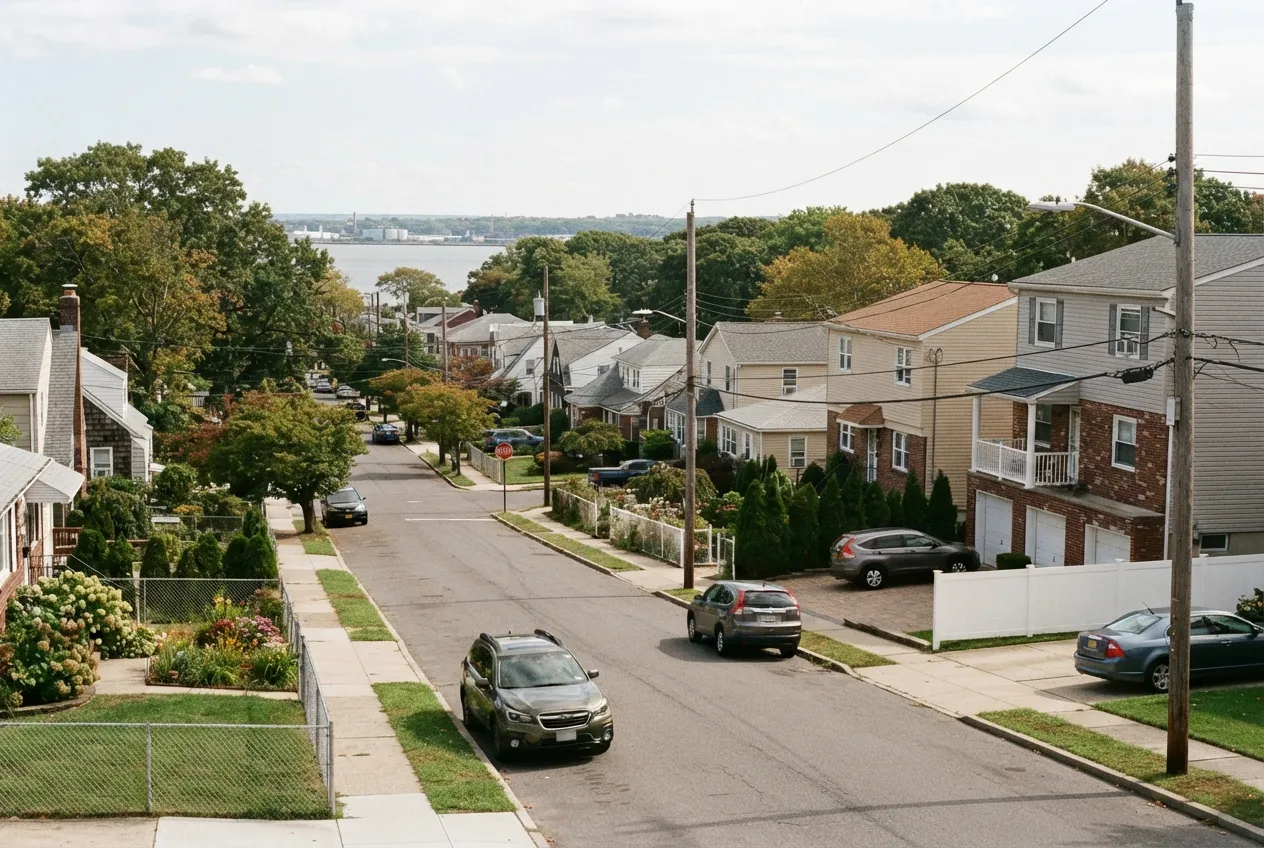
Prince's Bay is mostly detached homes, with a mix of older houses and newer construction across the 10309 and 10312 ZIP codes. Many have a masonry chimney that vents a basement boiler or furnace, and some also have a fireplace flue. A working liner keeps hot gases and corrosive byproducts away from the brick and mortar and helps the chimney draft correctly.
When a liner fails, problems are usually hidden inside the chimney. Heat and exhaust can reach the masonry and nearby framing, and a flue that is the wrong size for the appliance can draft poorly, which can let exhaust linger instead of venting outside.
Converting From Oil to Gas
Many Staten Island homeowners are moving their heating systems from oil to gas. In New York City, the chimney has to be evaluated as part of a boiler conversion from oil to gas. A new liner is often needed because gas exhaust produces acidic condensate that can corrode a masonry flue.
An old clay tile flue that handled oil exhaust for years may not hold up to that condensate, and it may also be too large for a modern gas appliance. We look at the existing flue, the new equipment, and the venting path, then recommend a liner that fits the new system. If you're working with a heating contractor, we can coordinate on timing so the chimney is ready when the new equipment goes in.
Signs Your Chimney May Need a New Liner
The NFPA 211 standard calls for chimneys, fireplaces, and vents to be inspected once a year. A Level 1 inspection fits when nothing has changed. A Level 2 inspection is used when the system changes, such as a new appliance or a fuel switch, or when the home is sold. A Level 3 inspection is used when a hidden hazard can only be reached by opening part of the chimney or building. Liner problems often turn up during these inspections, but some warning signs are visible from inside the house:
- Pieces of clay tile or crumbling mortar collecting at the base of the flue or in the cleanout
- Water stains, rust, or damp spots near the chimney or on the appliance vent connector
- White staining or flaking on the outside brick of a chimney that serves a gas appliance
- A new boiler, furnace, or water heater being installed, or a change in fuel
- Smoke or odors coming back into the room when a fireplace or appliance is running
- A previous inspection that found cracked tiles, gaps, or no liner at all
Time for your annual chimney check?
How We Install a Chimney Liner
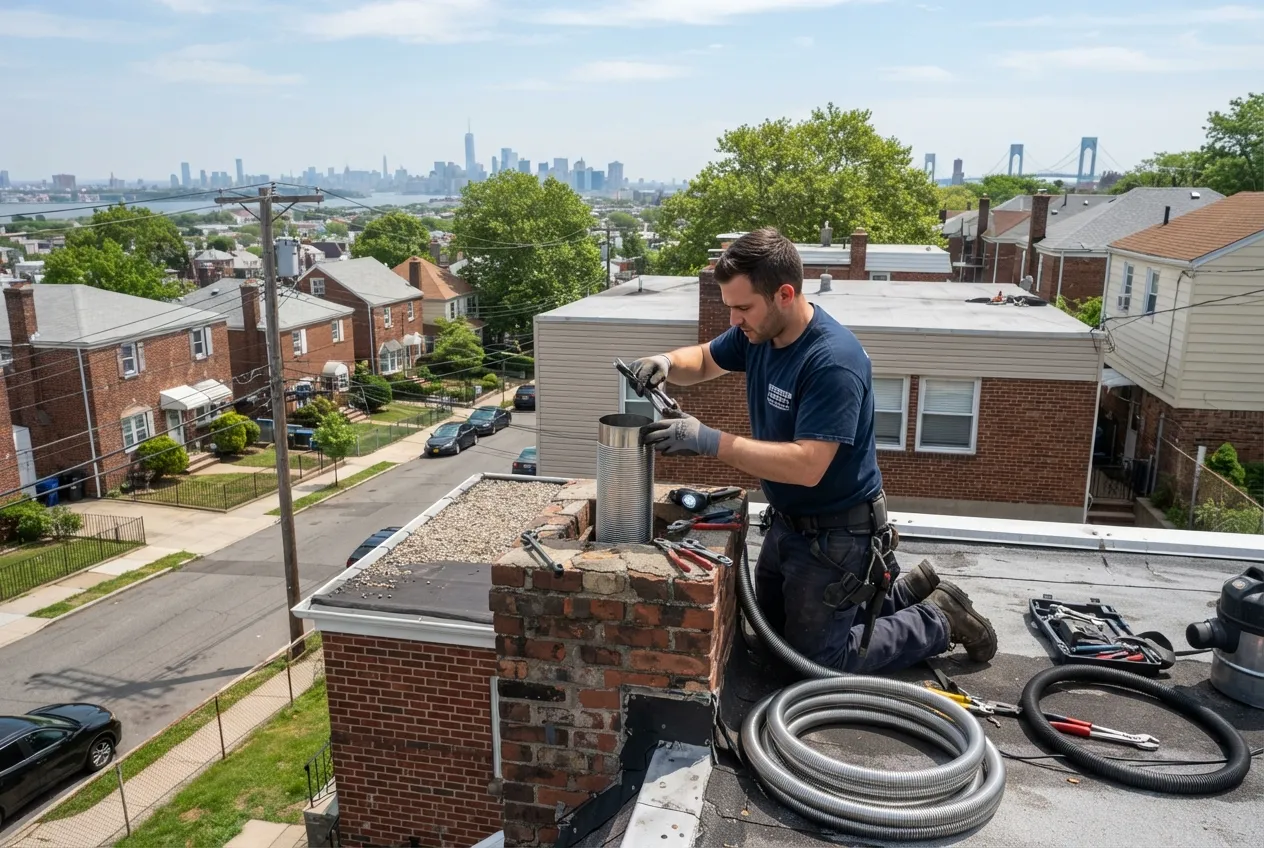
Every chimney is a little different, so we start by looking inside the flue before recommending anything. The appliance and fuel determine the type and size of liner, whether that's a stainless steel liner for a gas or oil boiler or a liner suited to a wood-burning fireplace.
- Inspect the flue with a camera to check tile condition, joints, offsets, and blockages
- Confirm what the flue serves and size the liner to that appliance or fireplace
- Clean the existing flue and remove loose debris before installation
- Run the liner from the top of the chimney down to the appliance connection
- Connect the liner at the bottom and seal and cap it at the top
- Walk you through what we did and what to watch for going forward
Planning Around Heating Season
New York City's heat season runs from October 1 through May 31. For homes that rely on a boiler or furnace venting through the chimney, it's easier to schedule liner work in late spring or summer, when the heat can be off for a while without disrupting the household.
If an inspection turns up a liner problem in the middle of winter, we'll explain what we found and talk through your options so you can make a safe decision. Along with Prince's Bay, we serve nearby Annadale, Huguenot, Woodrow, Arden Heights, and Rossville.
More services in Prince’s Bay
- Chimney Sweep in Prince’s Bay
- Chimney Inspection in Prince’s Bay
- Chimney Repair in Prince’s Bay
- Air Duct Cleaning in Prince’s Bay