The short answer
BluePeak Chimney Service sweeps, inspects and repairs chimneys and cleans dryer vents and air ducts throughout Arden Heights, about a mile from our Staten Island office. Plan on a yearly chimney inspection, ideally before the heating season starts. Call us sooner if you're switching from oil to gas, buying or selling a home, or noticing leaks or damaged masonry.
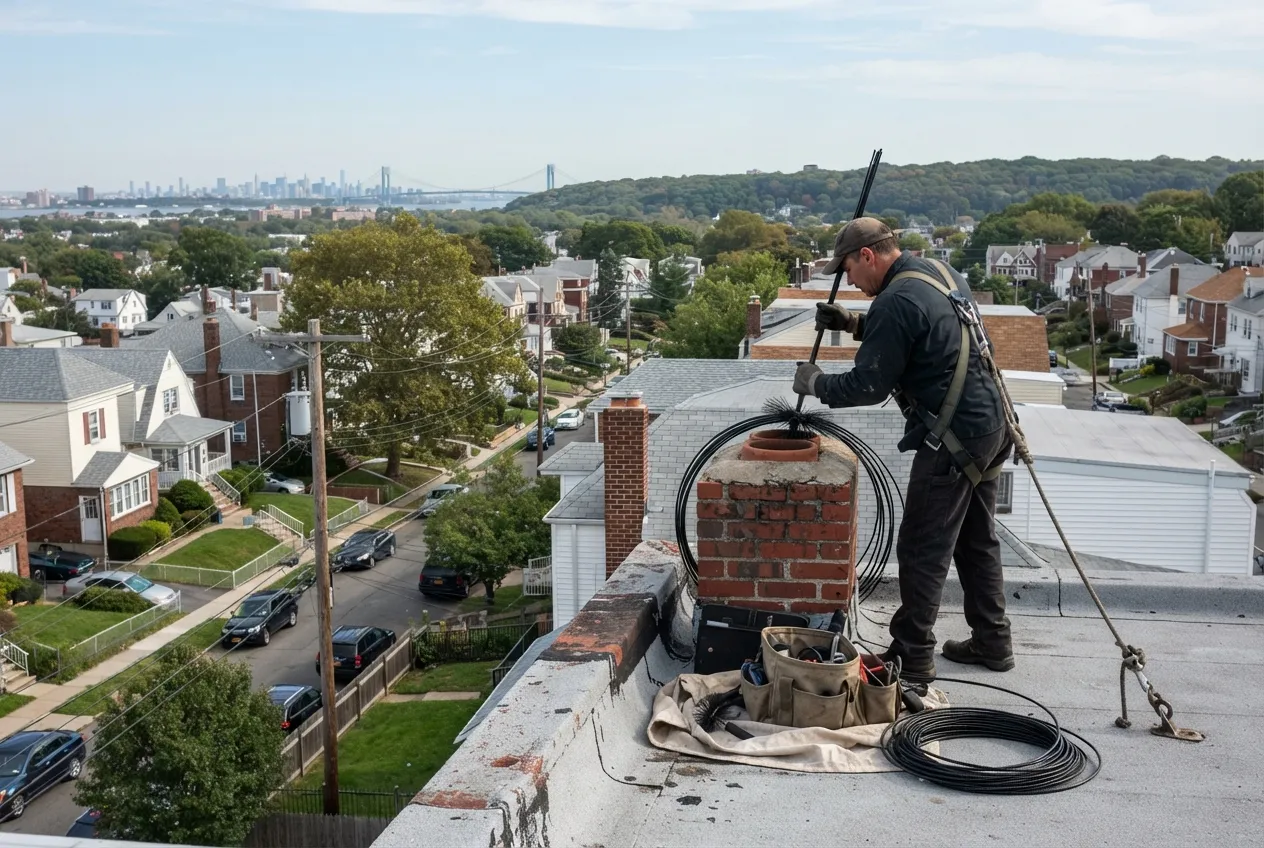
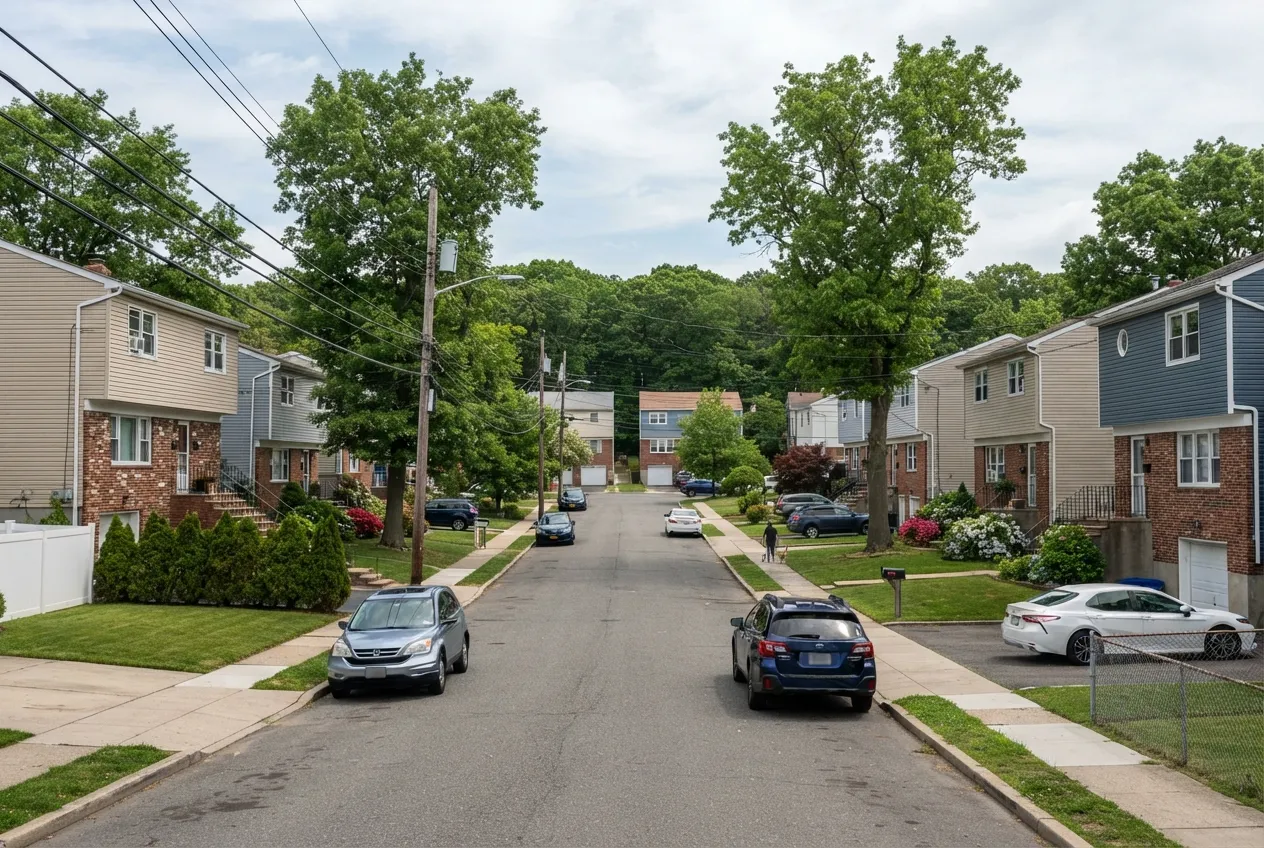
Arden Heights is about a mile northwest of our Staten Island office, so it's one of the neighborhoods our certified technicians visit most often. Most homes here are detached and semi-attached houses, along with townhouse-style developments. Many have a wood-burning fireplace, a gas or oil heating system, and a clothes dryer that vents through a wall or the roof. We clean, inspect and repair the chimneys, flues and vents that keep those systems working safely. We also clean air ducts when there's a real reason to. Here's what Arden Heights homeowners should know before scheduling.
Services for Arden Heights Homes
Because we're close by, we can work around your schedule and come back easily if a repair needs a second visit. Every job starts with a look at the whole system, not just the part you called about. A sweep often turns up a cracked crown or a rusted damper, and it's better to know about those before the heating season starts.
Services we provide in Arden Heights include:
- Chimney sweeping for wood-burning fireplaces and stoves
- Chimney inspections at the level your situation calls for
- Chimney repair, including crowns, flashing and mortar joints
- Chimney liner installation for oil-to-gas conversions and damaged flues
- Chimney caps and chase covers
- Chimney waterproofing
- Fireplace and damper repair
- Chimney rebuilding when masonry is too far gone to patch
- Dryer vent cleaning
- Air duct cleaning
How the South Shore Climate Wears on Chimneys
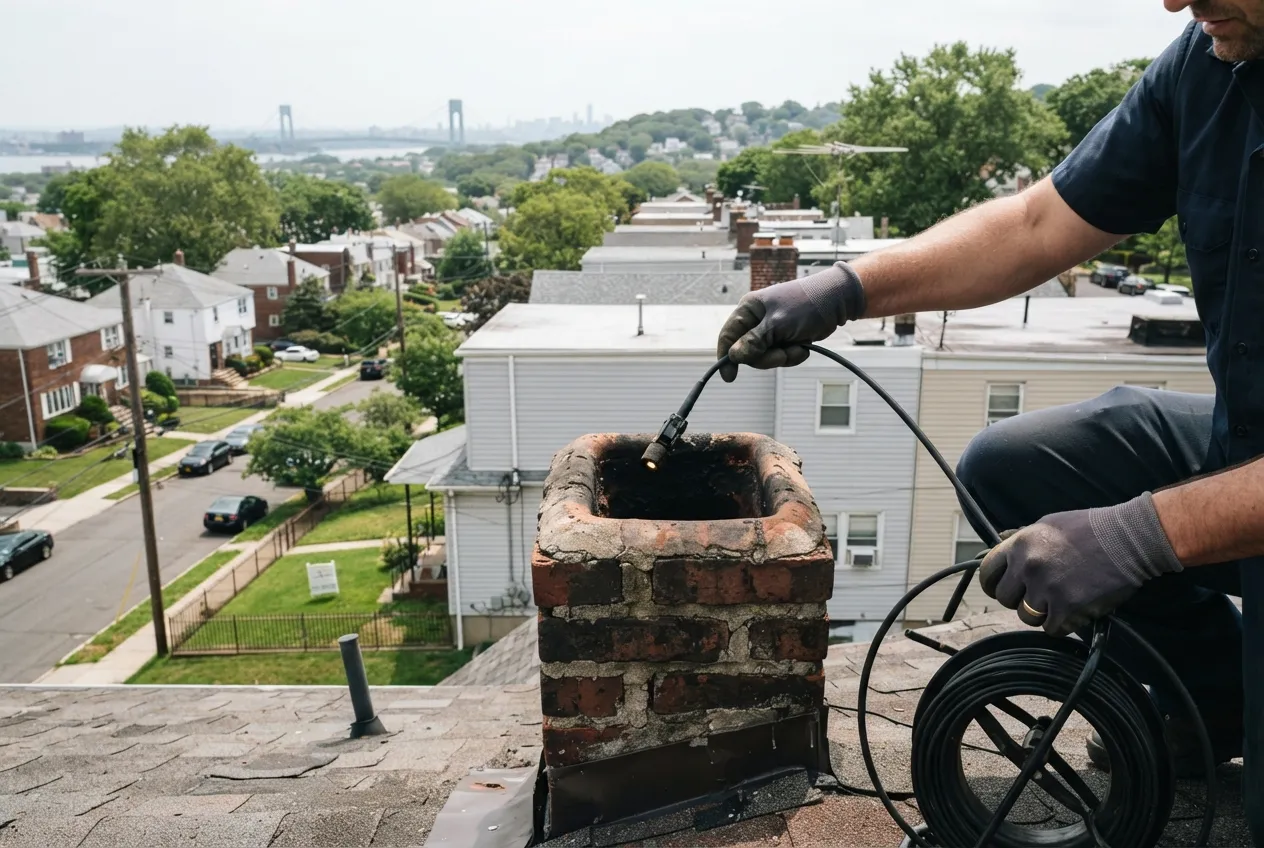
Staten Island winters bring repeated freeze-thaw cycles. Water soaks into brick and mortar, freezes overnight and expands. Over a few seasons, that cracks crowns, loosens joints and causes the brick faces to flake off (called spalling). Wind-driven rain from coastal storms and nor'easters pushes moisture into gaps around flashing. The damp, salty air near the shore can speed up rust on metal chase covers and dampers.
Most of the chimney damage we see starts with water. A properly fitted cap keeps rain, leaves and animals out of the flue. A sound chase cover protects framed chimneys on newer homes. Breathable waterproofing helps masonry shed water without trapping moisture inside the brick. Fixing these small items early usually keeps a chimney from needing a partial or full rebuild later.
Yearly Inspections and When You Need More
The NFPA 211 standard calls for chimneys, fireplaces and vents to be inspected once a year. Professionals use three inspection levels. A Level 1 inspection covers the accessible parts of the system when nothing has changed. A Level 2 inspection is called for when something changes, such as a new appliance or a switch in fuel, or when the home is sold. A Level 3 inspection is needed only when a hidden hazard can't be reached without opening part of the chimney or the building.
Late summer and early fall are the best times to schedule. That way any repairs are done before you need heat. If you rent out an apartment in your home, keep in mind that New York City's heat season runs from October 1 through May 31. During that time, building owners must keep apartments heated to the city's minimum temperatures, so a working heating flue matters.
Time for your annual chimney check?
Converting From Oil to Gas
Many Staten Island homes are moving from oil heat to gas. When a New York City building converts its boiler from oil to gas, the chimney has to be evaluated as part of the work. A new liner is often needed because gas exhaust produces acidic condensate that can corrode a masonry flue. We inspect the existing flue, explain what we find, and install a properly sized liner if one is needed. That way the new equipment vents the way it should.
Dryer Vents and Air Ducts
According to the U.S. Fire Administration, failure to clean is the leading factor contributing to clothes dryer fires in homes. Long vent runs, crushed foil hose and lint buildup at the exterior hood are common problems, and humid summers can make lint clump faster. Signs your vent needs attention include clothes taking longer to dry, a hot laundry room, or a hood flap that stays shut while the dryer runs.
For air ducts, we follow the EPA's guidance. Cleaning makes sense when there is substantial visible mold growth, vermin, or excessive dust and debris. The EPA also notes that duct cleaning hasn't been shown to prevent health problems. It advises researching the process before responding to very cheap advertised offers and being careful with chemical treatments. We'll tell you honestly whether your ducts need cleaning.
Nearby Neighborhoods We Serve
Along with Arden Heights, our technicians regularly work in Rossville, Annadale, Huguenot, Prince's Bay and Woodrow. The homes in these neighborhoods face the same coastal weather and similar heating setups, so the advice on this page applies there too.
Services in Arden Heights
- Chimney Sweep in Arden Heights
- Chimney Inspection in Arden Heights
- Chimney Repair in Arden Heights
- Air Duct Cleaning in Arden Heights
- Chimney Liner Installation in Arden Heights