The short answer
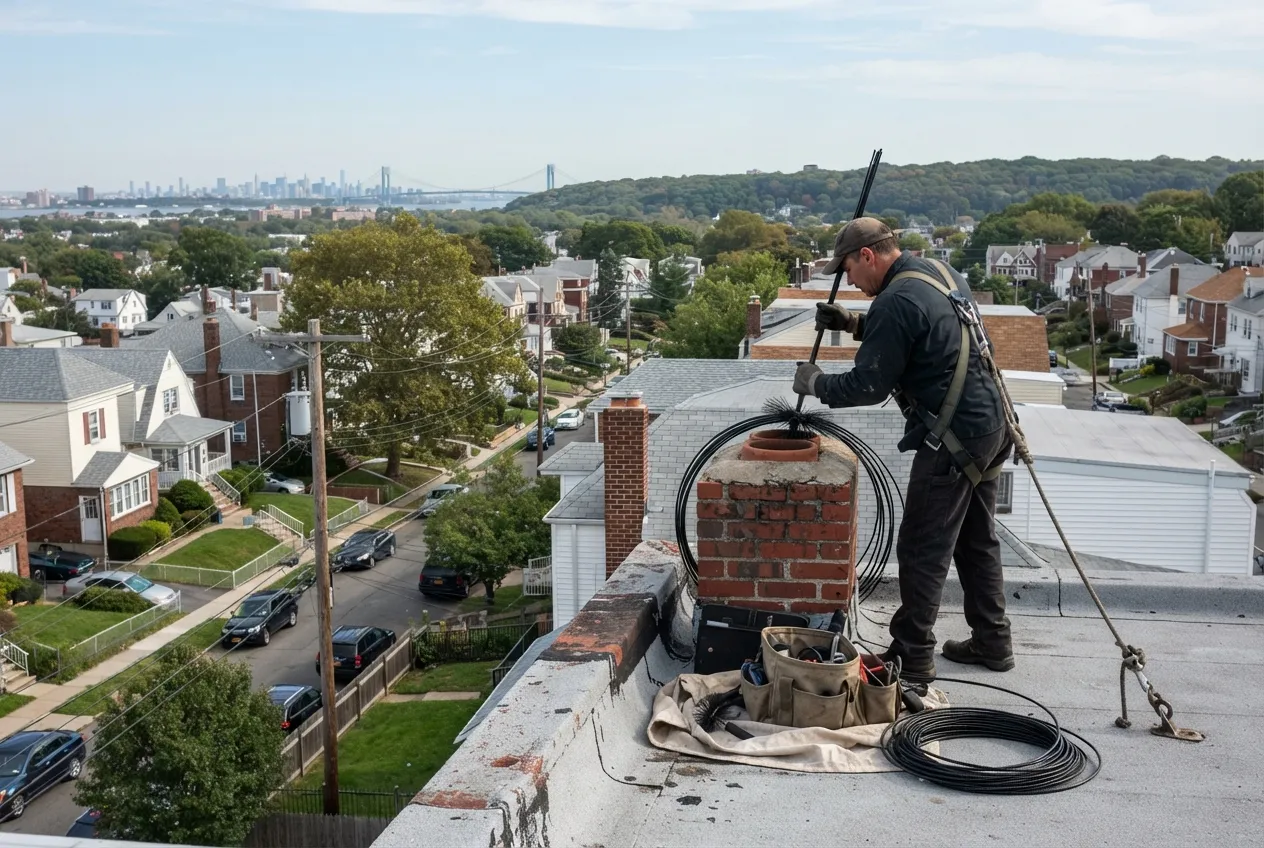
BluePeak Chimney Service provides chimney sweeping, inspection, repair, liner installation, and dryer vent and air duct cleaning throughout Todt Hill (ZIP 10304). We're about 4 miles away, and we focus on the issues common to larger detached homes and Staten Island's freeze-thaw winters.
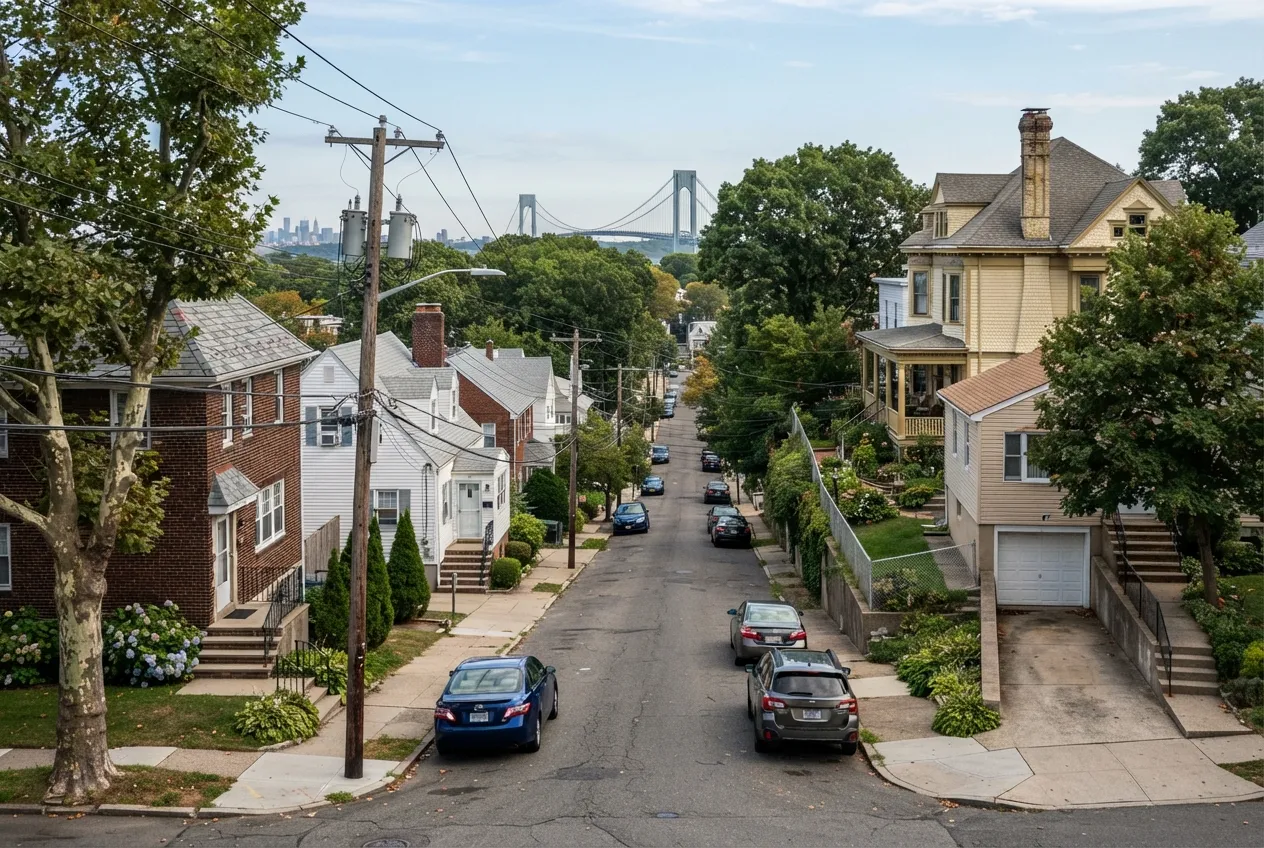
Todt Hill is about 4 miles northeast of our Staten Island office, so our crews work in the 10304 ZIP code regularly. Many homes here are detached houses, often larger single-family homes, and plenty of them have more than one fireplace, a boiler or furnace flue, and long dryer vent runs. BluePeak Chimney Service handles the whole system: sweeping, inspection, repair, liners, caps, waterproofing, and air duct and dryer vent cleaning. Our technicians are certified, and we explain what we find in plain terms before any work begins. We also serve nearby Oakwood, Richmondtown, Great Kills, Eltingville, and Arden Heights.
Chimney Care for Larger Todt Hill Homes
Larger detached homes often have more going on above the roofline. A single house may have a wood-burning fireplace in the living room, a second one in a den or bedroom, and a separate flue for the boiler or furnace. Each flue needs its own attention, and a problem in one may not show up in the others.
The wooded, hilly setting matters too. Overhanging branches drop leaves and twigs into open flues, and birds and squirrels look for sheltered places to nest. A properly sized chimney cap keeps debris and animals out. On prefabricated chimneys, a sound chase cover keeps water from getting in.
- Chimney sweep to remove creosote and soot from each flue
- Chimney cap and chase cover installation to keep out debris, animals, and rain
- Fireplace and damper repair for dampers that stick, rust, or no longer seal
- Chimney repair, from repointing mortar joints to fixing crowns
- Chimney liner installation for damaged flues or fuel changes
How Staten Island Weather Wears Down Chimneys
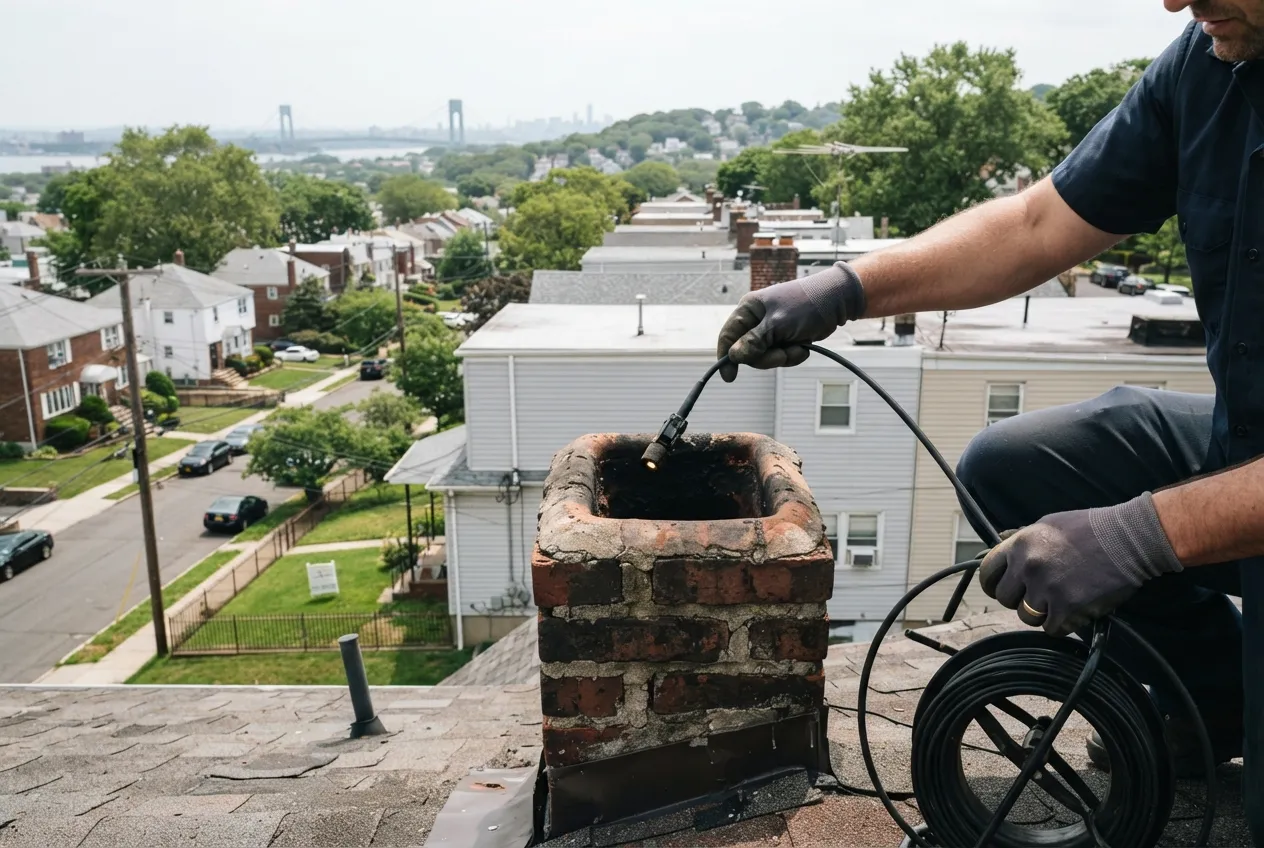
Staten Island winters bring repeated freeze-thaw cycles, and nor'easters drive rain sideways into chimneys. Water that soaks into brick and mortar expands when it freezes. Over time that loosens joints, cracks crowns, and breaks the faces off bricks. Humid summers then hold that moisture in the masonry, which can cause musty fireplace odors.
We look for early warning signs, such as cracked crowns, gaps at the flashing, white staining on brick, and rusted dampers. Then we recommend the smallest fix that solves the problem. That might be repointing, a new crown, or a breathable waterproofing treatment. When the damage has gone too far, we rebuild the chimney above the roofline.
Annual Inspections and When to Schedule Them
The NFPA 211 standard calls for chimneys, fireplaces, and vents to be inspected once a year. A Level 1 inspection fits when nothing about the system has changed. A Level 2 is the right choice when you add or replace an appliance, switch fuels, or buy or sell a home. A Level 3 applies when a hidden hazard can only be reached by opening part of the chimney or building.
Late summer and early fall are the easiest times to book, before you start using the fireplace regularly. If you own a two-family house or rent out a unit, remember that New York City's heat season runs from October 1 through May 31. During those months, owners must keep apartments heated to the city's minimum temperatures, so it makes sense to have the heating flue checked before October.
Time for your annual chimney check?
Oil-to-Gas Conversions and Chimney Liners
Some Todt Hill homes still heat with oil, and many owners are converting to gas. In New York City, the chimney has to be evaluated as part of that conversion. A new liner is often needed because gas exhaust produces acidic condensate that can corrode a masonry flue from the inside. We inspect the existing flue, confirm the liner is the right size for the new appliance, and install a liner suited to the fuel.
Dryer Vent and Air Duct Cleaning
According to the U.S. Fire Administration, failure to clean is the leading factor contributing to clothes dryer fires in homes. In larger houses, the laundry room is often far from an exterior wall, which means long vent runs where lint builds up. We clean the full length of the vent and check the exterior hood.
For air ducts, we follow the EPA's guidance. Cleaning makes sense when there is substantial visible mold, signs of vermin, or excessive dust and debris. The EPA notes that duct cleaning hasn't been shown to prevent health problems, so we won't claim it does. The EPA also advises caution with chemical treatments and very cheap advertised offers. We'll tell you exactly what the job involves and whether you actually need it.
ZIP codes we serve
- 10304