The short answer
The NFPA 211 standard calls for chimneys, fireplaces and vents to be inspected once a year, and that applies to Arden Heights homes whether you burn wood or vent a gas or oil appliance. Most homeowners need a Level 1 inspection. A Level 2 inspection is the right choice if you've changed fuel or appliances or are buying or selling a house.
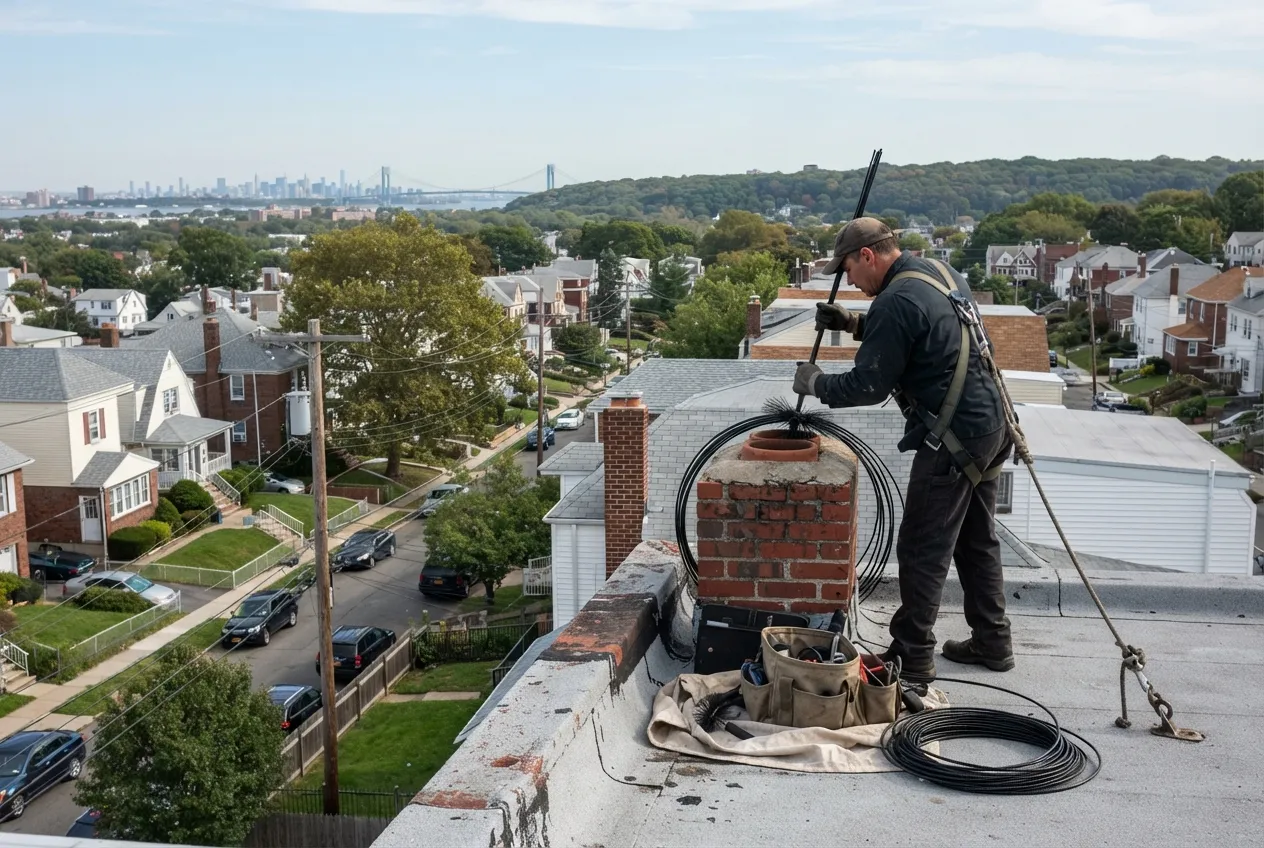
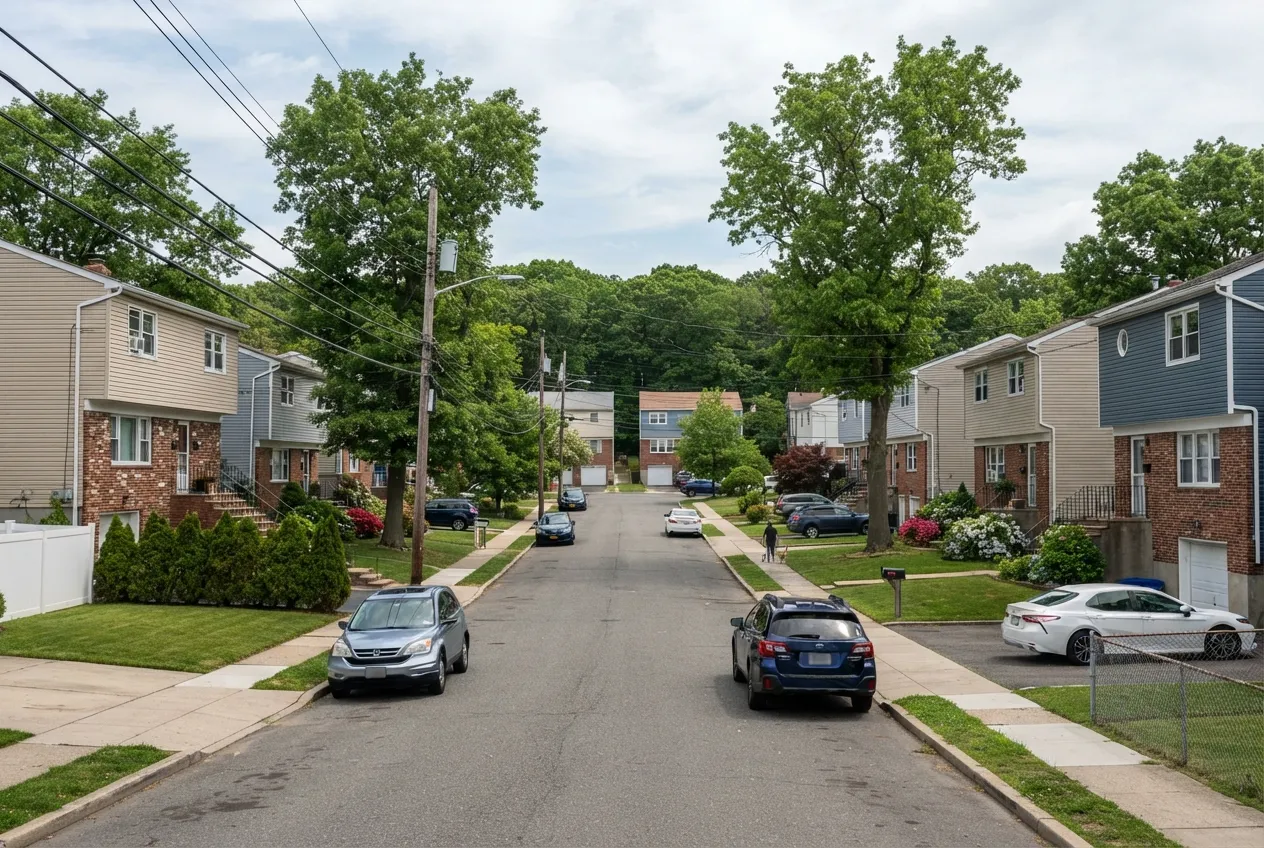
Most homes in Arden Heights are detached and semi-detached houses, along with townhouses, and many have a working fireplace, a wood stove, or a boiler or furnace venting through a chimney. BluePeak Chimney Service is based about a mile southeast of the neighborhood, so Arden Heights is a short trip for our certified technicians. A chimney inspection tells you whether your flue, liner, crown, cap and connections are safe to use before you light a fire or start up your heating system. This page explains what we look at, which inspection level fits your situation, and when Arden Heights homeowners should schedule one.
What a Chimney Inspection Covers in an Arden Heights Home
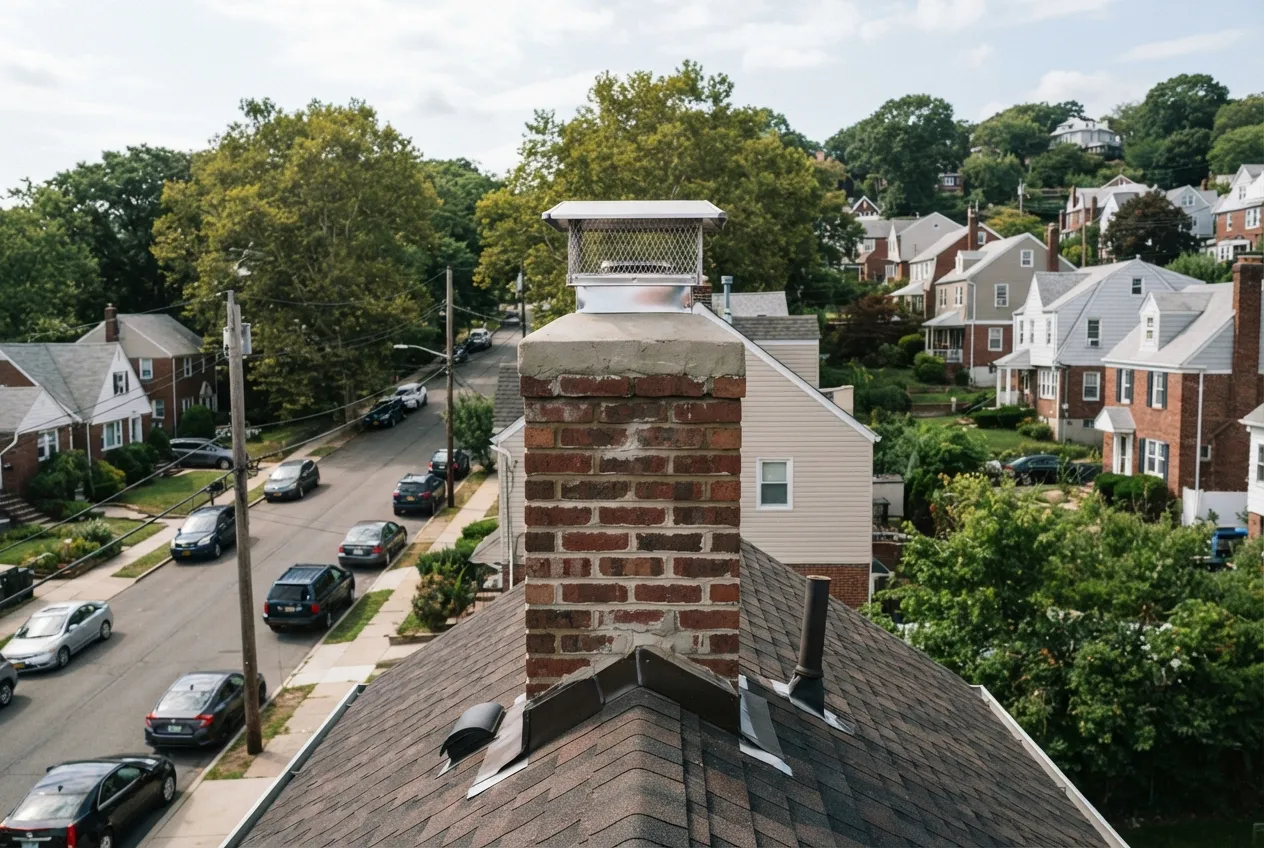
An inspection is a close look at the parts of your chimney system that keep heat, smoke and exhaust moving safely out of the house. In a typical Arden Heights detached or semi-detached home, that usually means a masonry chimney serving a fireplace, a heating appliance, or both. Some townhouses have a factory-built fireplace with a metal flue, which has its own set of things to check.
Our technicians check the readily accessible parts of the system and note anything that needs attention. You get a clear explanation of what we found, including what's fine, what should be watched, and what needs to be fixed before you use the chimney again.
- Firebox, damper and smoke chamber for cracks, gaps and buildup
- Flue and liner condition, including creosote and blockages
- Chimney crown, cap and flashing where weather does the most damage
- Connections from your boiler, furnace or water heater to the chimney
- Clearances to nearby wood framing and other combustible materials
- Signs of animal nests, debris or water getting into the flue
Choosing the Right Inspection Level
Chimney professionals use three inspection levels, and the right one depends on what's happening with your house. Picking the correct level up front saves you time and avoids paying for more work than you need.
- Level 1: For a chimney you've been using normally with no changes. This is the standard yearly inspection.
- Level 2: For when the system changes, such as a new heating appliance or a switch from one fuel to another, or when the home is being sold.
- Level 3: For when a hidden hazard is suspected and the only way to reach it is by opening part of the chimney or the building.
Converting From Oil to Gas in Arden Heights
Some Staten Island homes have switched, or are thinking of switching, from an oil boiler to gas. When a New York City building converts its boiler from oil to gas, the chimney has to be evaluated as part of the work. Gas exhaust produces acidic condensate, and over time that moisture can corrode a masonry flue that was never lined for it. A new liner is often needed.
If your conversion is in the planning stage, a Level 2 inspection gives you and your heating contractor a clear picture of the flue's condition before the new equipment goes in. If the work is already done and the chimney was never looked at, schedule an inspection before the next heating season.
Time for your annual chimney check?
When to Schedule Your Inspection
Late summer and early fall are the most practical times to book. New York City's heat season runs from October 1 through May 31. Getting your chimney inspected before then means any repairs can be handled before your heating system is running every day and before fireplace season starts.
Don't wait for the calendar if you notice a problem. Call us sooner if you smell smoke or a strong odor from the fireplace when it's not in use, see water stains near the chimney, hear animals in the flue, notice crumbling brick or mortar on the outside, or find flakes of black buildup falling into the firebox. After a chimney fire or a hard storm, an inspection should come before you use the system again.
Serving Arden Heights and Nearby South Shore Neighborhoods
Our office is close to Arden Heights, and we also inspect chimneys in Rossville, Annadale, Huguenot, Prince's Bay and Woodrow. Housing across these neighborhoods is similar, mostly detached homes, semi-detached houses and townhouses, so we're used to the chimney setups that are common on this part of Staten Island.
To get started, contact BluePeak Chimney Service and let us know what kind of fireplace or heating appliance you have, whether anything has changed since your last inspection, and whether you're buying or selling. That helps us recommend the right inspection level before we arrive.
More services in Arden Heights
- Chimney Sweep in Arden Heights
- Chimney Repair in Arden Heights
- Air Duct Cleaning in Arden Heights
- Chimney Liner Installation in Arden Heights