The short answer
If your Arden Heights chimney has a cracked or deteriorated liner, or you've switched your boiler from oil to gas, you likely need a new chimney liner. BluePeak inspects the flue first, then installs a liner sized to your appliance so exhaust leaves the house safely and the masonry is protected.
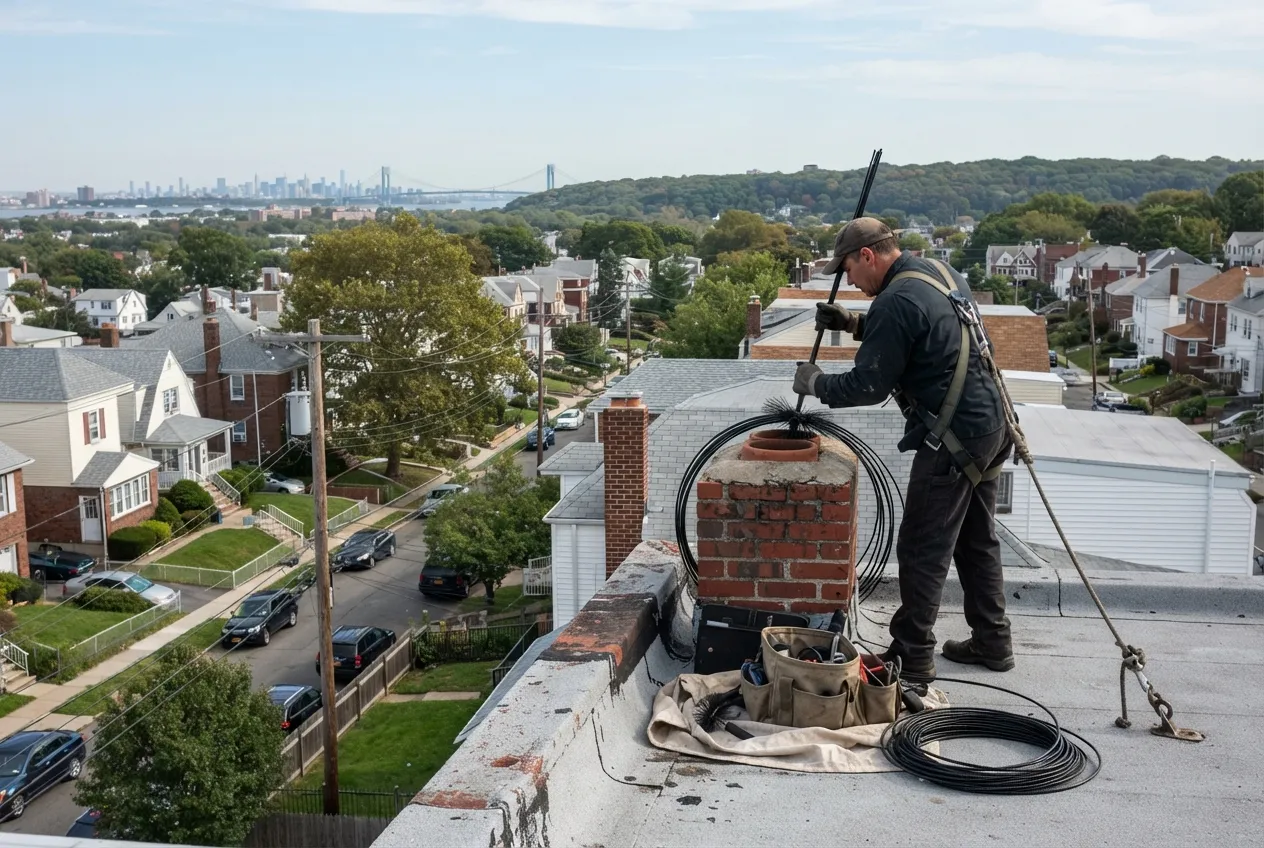
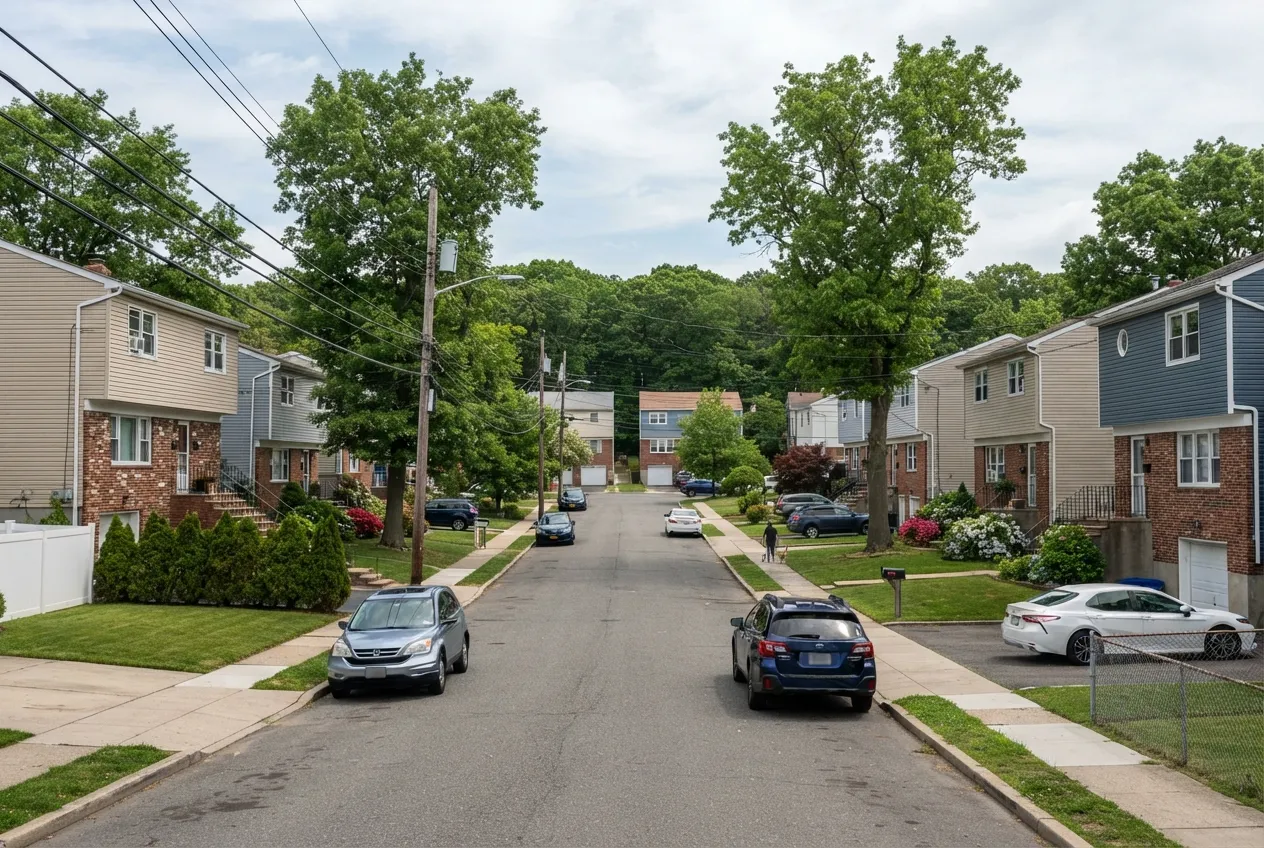
A chimney liner is the protective channel inside your chimney that carries smoke and exhaust gases out of the house. It shields the surrounding masonry and framing from heat and corrosive byproducts. In Arden Heights, many homes are detached or semi-attached houses and townhouses with masonry chimneys that serve a fireplace, a boiler, a water heater, or several of these at once. Over time, original clay tile liners can crack, mortar joints can erode, and a flue sized for one appliance may no longer suit the equipment in your basement. BluePeak Chimney Service is based about a mile southeast of Arden Heights. Our certified technicians inspect and reline chimneys throughout the neighborhood so your heating system and fireplace vent safely.
Why Liners Fail in Arden Heights Homes
Most liner problems start out of sight. Clay tile liners can crack from a chimney fire, from repeated heating and cooling, or from settling in the house. Water that gets past a worn crown or missing cap can loosen mortar between tiles. Once there are gaps, heat and exhaust can reach the brick and nearby wood. Carbon monoxide can also find its way into living spaces instead of venting outside.
Staten Island's mix of humid summers and cold, wet winters is hard on masonry. Freeze-thaw cycles widen small cracks a little more each year. A chimney that looks fine from the yard can still have a liner that is no longer doing its job.
- Pieces of tile or flaky debris collecting at the base of the flue
- White staining or crumbling brick on the outside of the chimney
- Damp spots or water stains on walls near the chimney
- A strong odor from the fireplace, especially in humid weather
- Poor draft or exhaust spilling back from a boiler or water heater
Oil-to-Gas Conversions and New Appliances
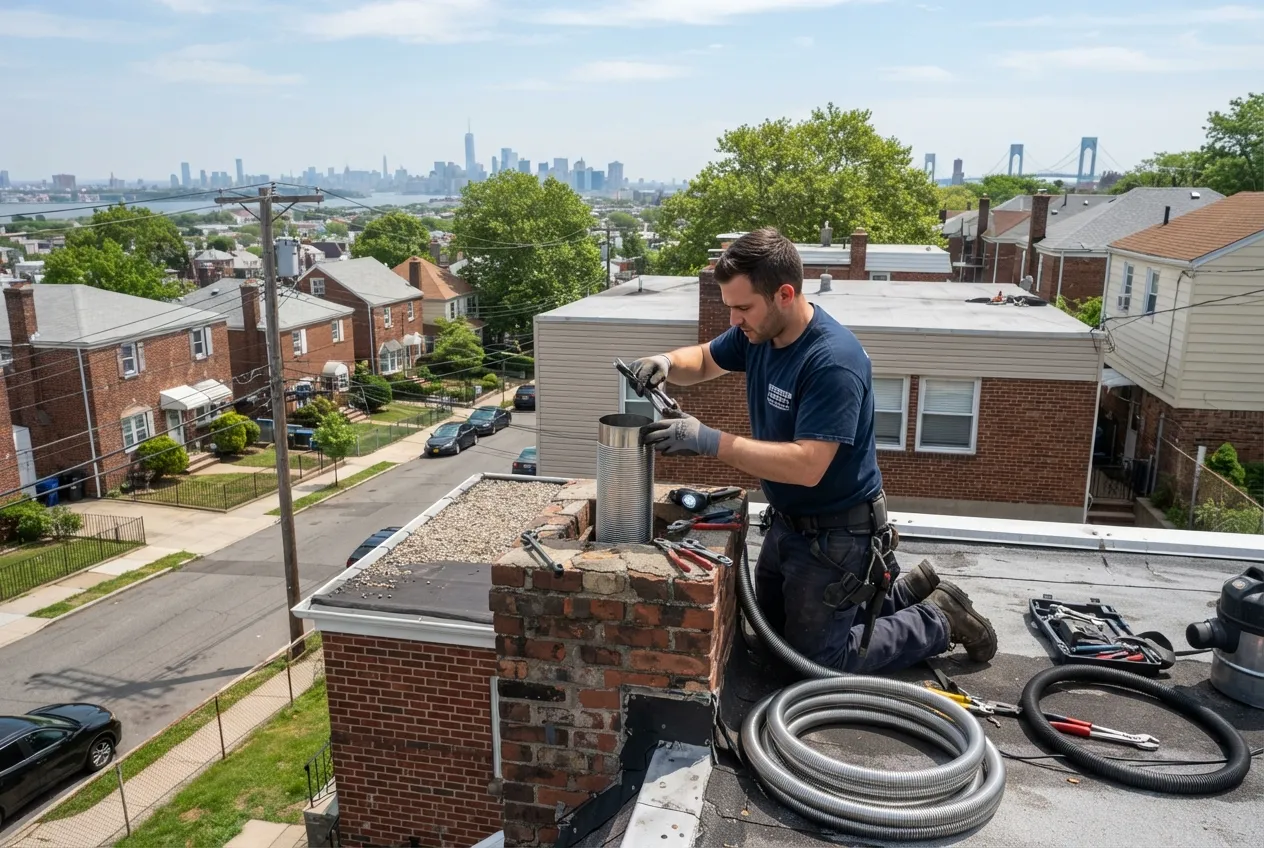
Many Arden Heights homeowners have converted their boilers from oil to gas or replaced older equipment with high-efficiency units. When a New York City home converts from oil to gas, the chimney has to be evaluated as part of the job. A new liner is often needed. Gas exhaust produces acidic condensate, and over time it can corrode a masonry flue that was built for oil.
Sizing matters too. A flue that is too large for a new appliance can cool exhaust too quickly, which leads to more condensation and weaker draft. We match the liner diameter and material to the appliance you actually have, so it vents the way the manufacturer intended.
How We Install a Chimney Liner
Every liner job starts with an inspection. The NFPA 211 standard calls for chimneys, fireplaces and vents to be inspected once a year. It also calls for a more detailed Level 2 inspection when the system changes, such as a new appliance or a switch of fuel, or when a home is sold. That inspection, which includes a camera look inside the flue, tells us whether relining is the right fix.
- Inspect the chimney and flue with a camera and document what we find
- Explain the options and recommend a liner type and size for your appliance
- Clean the existing flue so the new liner goes into a clear passage
- Install the liner from the top down, with connections at the appliance or firebox
- Fit a top plate and rain cap to keep out water and animals
- Test draft and walk you through the finished work
Time for your annual chimney check?
Choosing the Right Liner Type
Stainless steel liners are the most common choice for relining. They work well for gas and oil appliances, and with the right grade, for wood-burning fireplaces too. Flexible stainless can follow slight offsets in older chimneys. Rigid stainless suits straight runs. For chimneys with badly damaged masonry, a cast-in-place liner may be worth considering. We explain the tradeoffs for your specific chimney rather than pushing one product.
Plan Ahead of Heat Season
New York City's heat season runs from October 1 through May 31. That is when your boiler works hardest and a failing liner causes the most trouble. Scheduling your inspection and any relining in late spring or summer gives you time to make decisions without a cold house waiting on the work. If you are planning a fuel conversion or a new boiler, bring us in early so the chimney is ready when the new equipment is installed.
Serving Arden Heights and Nearby Neighborhoods
Because our office is close by, we can schedule Arden Heights inspections and follow-up visits without long travel windows. We also install chimney liners in Rossville, Annadale, Huguenot, Prince's Bay and Woodrow. Housing in these areas ranges from older detached homes to newer townhouses, and we adapt our approach to each chimney.
More services in Arden Heights
- Chimney Sweep in Arden Heights
- Chimney Inspection in Arden Heights
- Chimney Repair in Arden Heights
- Air Duct Cleaning in Arden Heights