The short answer
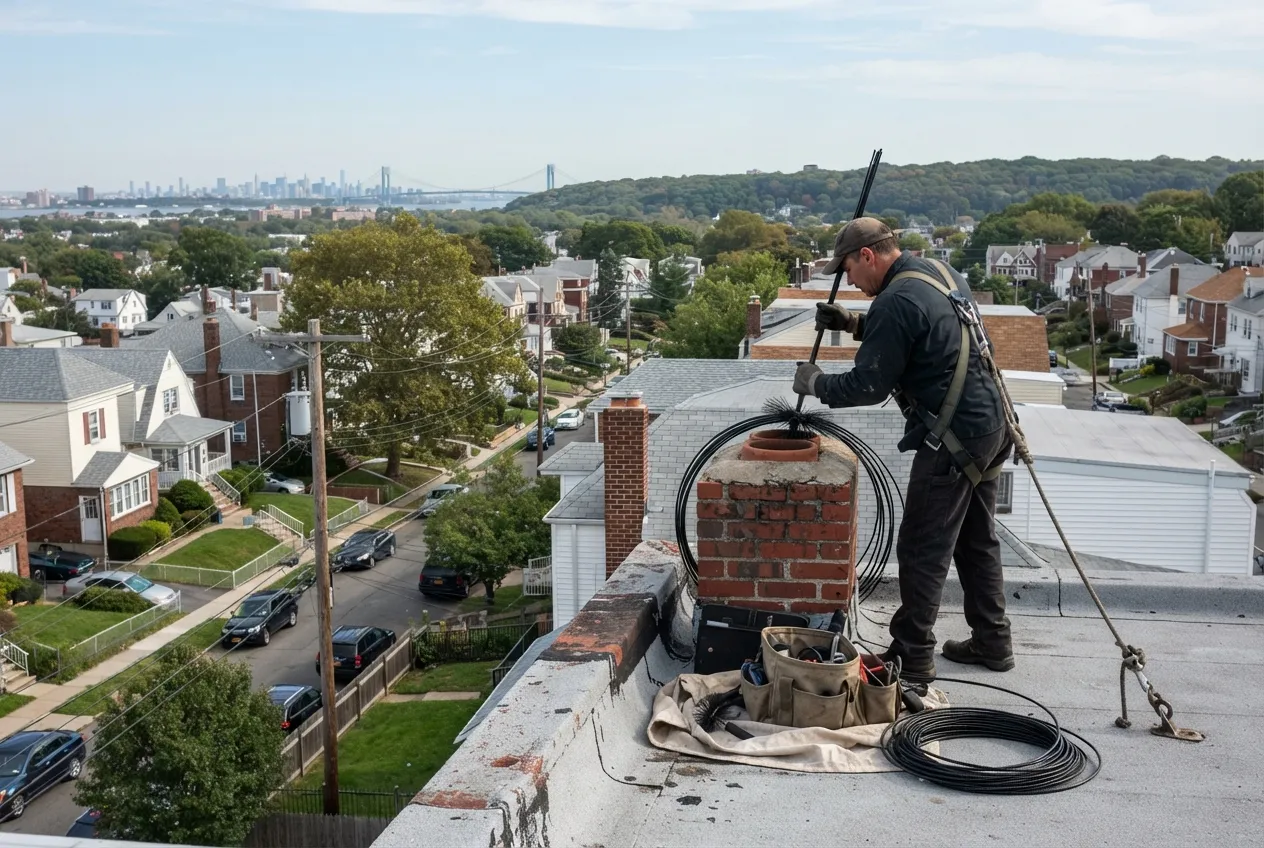
The NFPA 211 standard calls for chimneys, fireplaces and vents to be inspected once a year, and most Oakwood homes need a basic Level 1 inspection when nothing about the system has changed. If you have switched from oil to gas, installed a new appliance, or are buying or selling a home, you need a more detailed Level 2 inspection.
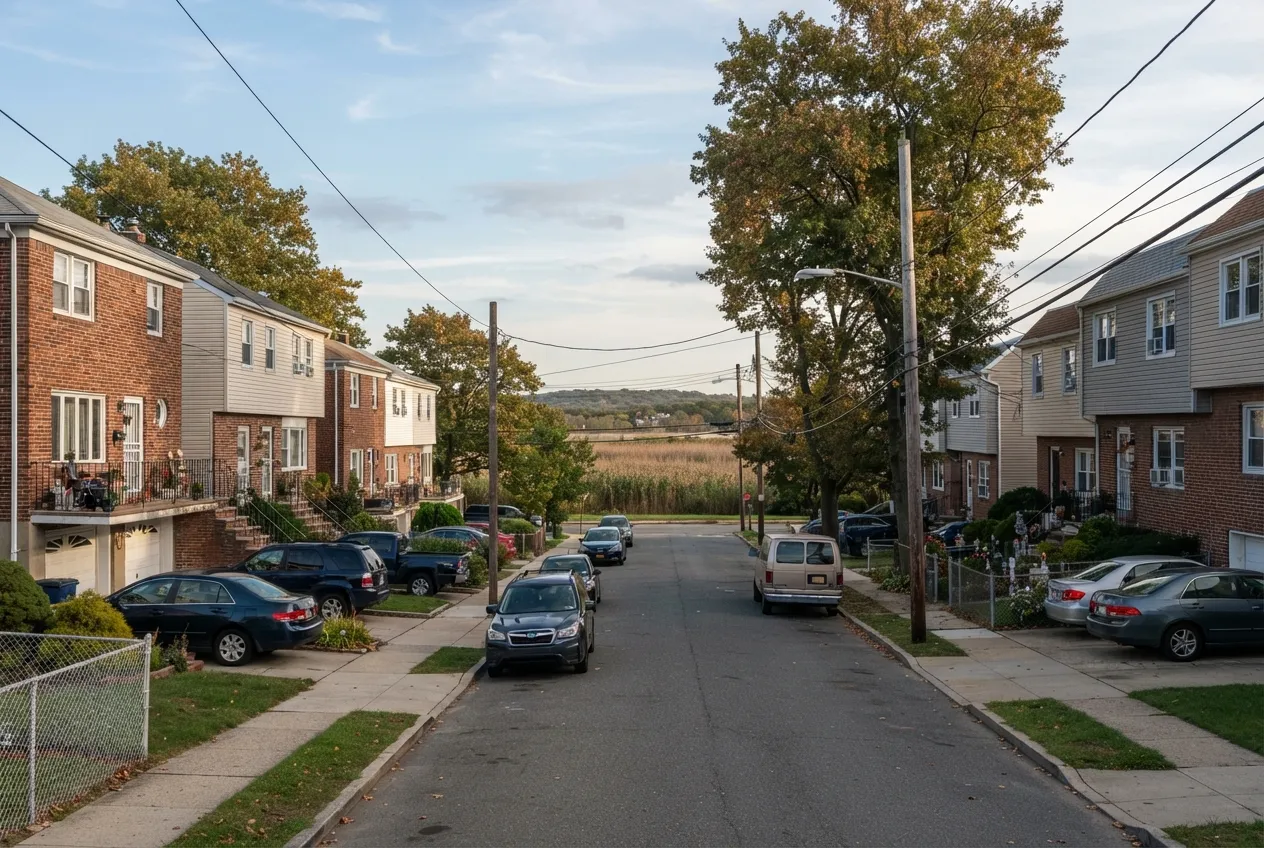
Most homes in Oakwood are detached or semi-attached houses, many with a masonry chimney serving a fireplace, a boiler, a water heater, or some combination of the three. Each of those connections can develop problems you can't see from the living room or the yard: cracked flue tiles, loose mortar, a damaged crown, a liner that has started to corrode. A chimney inspection finds those problems early, while the fix is usually simpler. BluePeak Chimney Service is based in Staten Island, about 3 miles southwest of Oakwood, and our certified technicians inspect chimneys throughout the 10306 ZIP code and the surrounding South Shore neighborhoods.
What a Yearly Chimney Inspection Covers
The NFPA 211 standard calls for chimneys, fireplaces and vents to be inspected once a year. This applies whether you light a fire every weekend or only use the chimney to vent a boiler. A chimney that serves your heating system works every day of the cold months, even if you never think about it.
When nothing has changed since the last inspection, a Level 1 inspection is usually enough. We check the parts of the chimney that can be reached without tools or opening anything up:
- The firebox, damper, and smoke chamber of a fireplace
- The visible flue and liner, looking for cracks, gaps, and blockages
- Creosote and soot buildup that could fuel a chimney fire
- Nests, leaves, or debris at the top of the flue
- The connector pipe between your boiler or water heater and the chimney
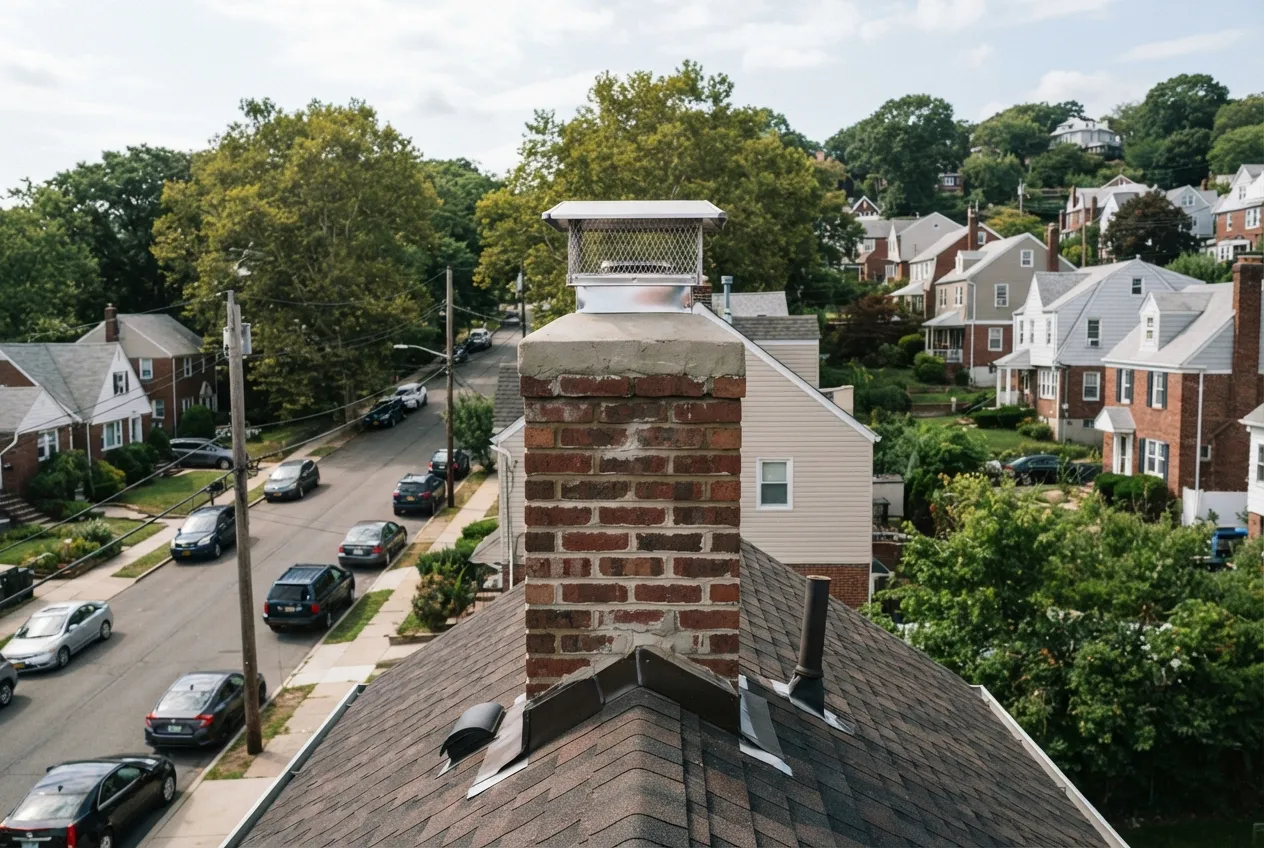
- The exterior masonry, crown, cap, and flashing where they can be safely seen
When Oakwood Homes Need a Level 2 Inspection
A Level 2 inspection goes further than Level 1. It includes everything in a Level 1 inspection plus a closer look at the flue, typically with a camera run through the chimney, along with accessible areas such as the attic and crawl space where the chimney passes through. It is the right choice when the system changes or when a home changes hands.
Many older Staten Island homes originally heated with oil, and plenty of homeowners have since switched to gas. That switch matters for the chimney. When a New York City building converts its boiler from oil to gas, the chimney has to be evaluated as part of the work, and a new liner is often needed because gas exhaust produces acidic condensate that can corrode a masonry flue. If you are planning a conversion, or already finished one without a chimney evaluation, a Level 2 inspection will tell you where the flue stands.
A Level 2 inspection is also called for when you install a new boiler, water heater, wood stove, or fireplace insert, and when a home is being sold. If you are buying a house in Oakwood, scheduling a chimney inspection before closing gives you a clear picture of the flue's condition, which a general home inspection usually can't provide.
Level 3: When a Hidden Problem Has to Be Reached
Level 3 inspections are uncommon. They are only needed when a Level 1 or Level 2 inspection points to a serious hidden hazard that can't be reached any other way, such as after a chimney fire or major storm damage. In those cases, part of the chimney or building may have to be opened to see the problem. We will explain why a Level 3 inspection is being recommended, and what it involves, before any work begins.
Time for your annual chimney check?
Plan Your Inspection Before the Heat Season
New York City's heat season runs from October 1 through May 31. During those months, boilers in Oakwood homes run constantly and fireplaces see their heaviest use. Late summer and early fall are good times to schedule an inspection, so any repairs can be finished before you depend on the heat.
If you rent out part of a two-family house, keep in mind that owners must keep apartments heated to the city's minimum temperatures throughout the heat season. A chimney problem that shuts down a boiler in January is much harder to handle than one caught in September.
What You Get After the Inspection
After the inspection, your technician walks you through what was found, in plain terms. If the chimney is in good shape, you will know that. If something needs attention, such as a cleaning, a cap replacement, mortar repair, or a new liner, we explain what the problem is, why it matters, and what your options are. We don't recommend repairs the chimney doesn't need.
Along with Oakwood, we inspect chimneys in nearby Richmondtown, Great Kills, Eltingville, Arden Heights, and Rossville.
More services in Oakwood
- Chimney Sweep in Oakwood
- Chimney Repair in Oakwood
- Air Duct Cleaning in Oakwood
- Chimney Liner Installation in Oakwood