The short answer
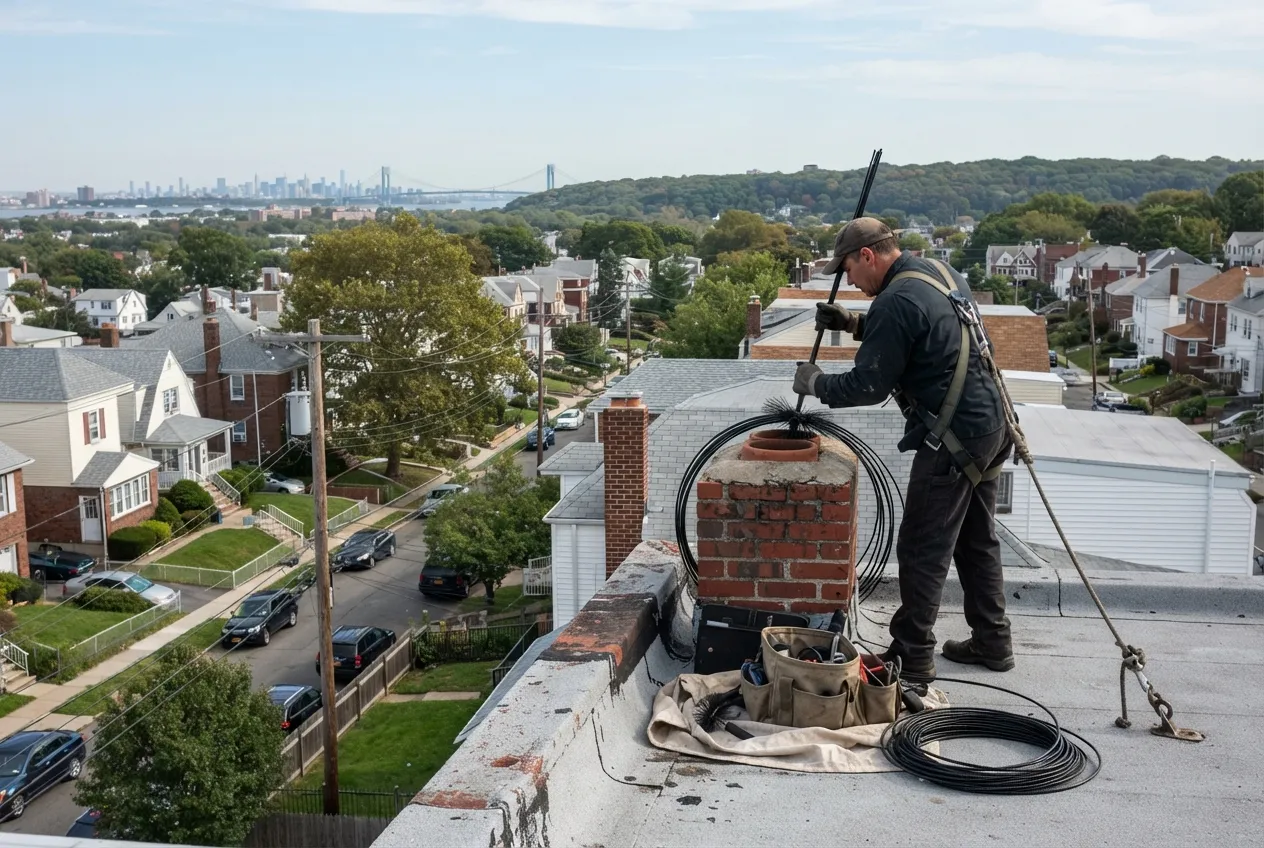
The NFPA 211 standard calls for chimneys, fireplaces and vents to be inspected once a year. Most Huguenot homes need a Level 1 inspection. A Level 2 is called for after a new appliance, a fuel switch or a home sale, and a Level 3 is used only when a hidden hazard has to be reached.
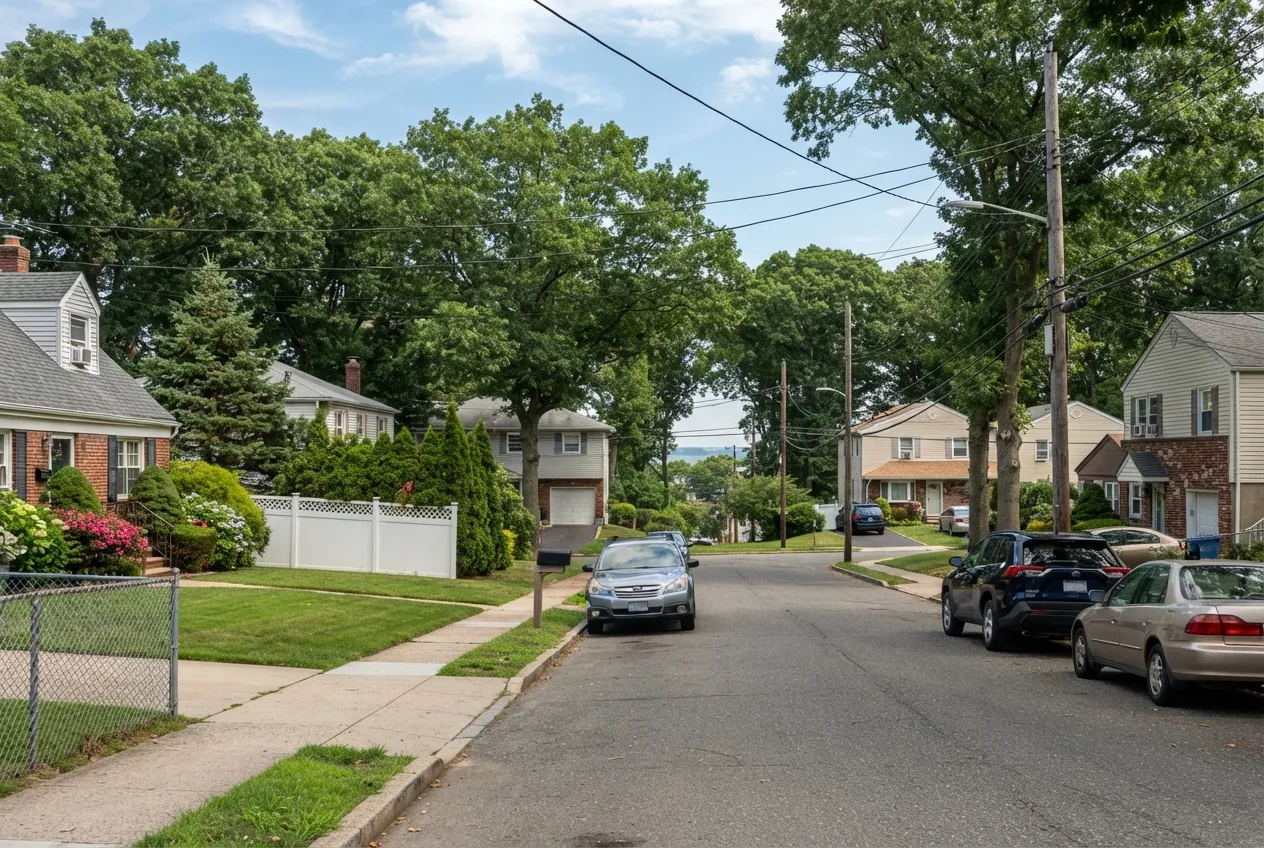
Huguenot sits on Staten Island's South Shore, about a mile southwest of our Staten Island office, so our certified technicians can usually reach homes in the 10309 and 10312 ZIP codes without a long wait. Most homes here are detached houses, ranging from older homes with masonry chimneys to newer construction with factory-built fireplaces and metal flues. Each type ages differently, and each needs a careful look before you rely on it through a cold season. This page explains what a chimney inspection covers, which level fits your situation, and when Huguenot homeowners should schedule one.
Why Annual Inspection Matters for South Shore Homes
The NFPA 211 standard calls for chimneys, fireplaces and vents to be inspected once a year, whether or not you think anything is wrong. Many problems stay out of sight until they cause trouble: a cracked flue tile, a loose liner joint, a blocked cap or creosote buildup above the damper.
Detached homes in Huguenot often have more than one appliance venting through the chimney system, such as a fireplace alongside a furnace or boiler flue. A yearly inspection checks all of them, not just the one you use most. Scheduling before the heating months begin gives you time to make repairs before you need the system every day.
Which Inspection Level Your Home Needs
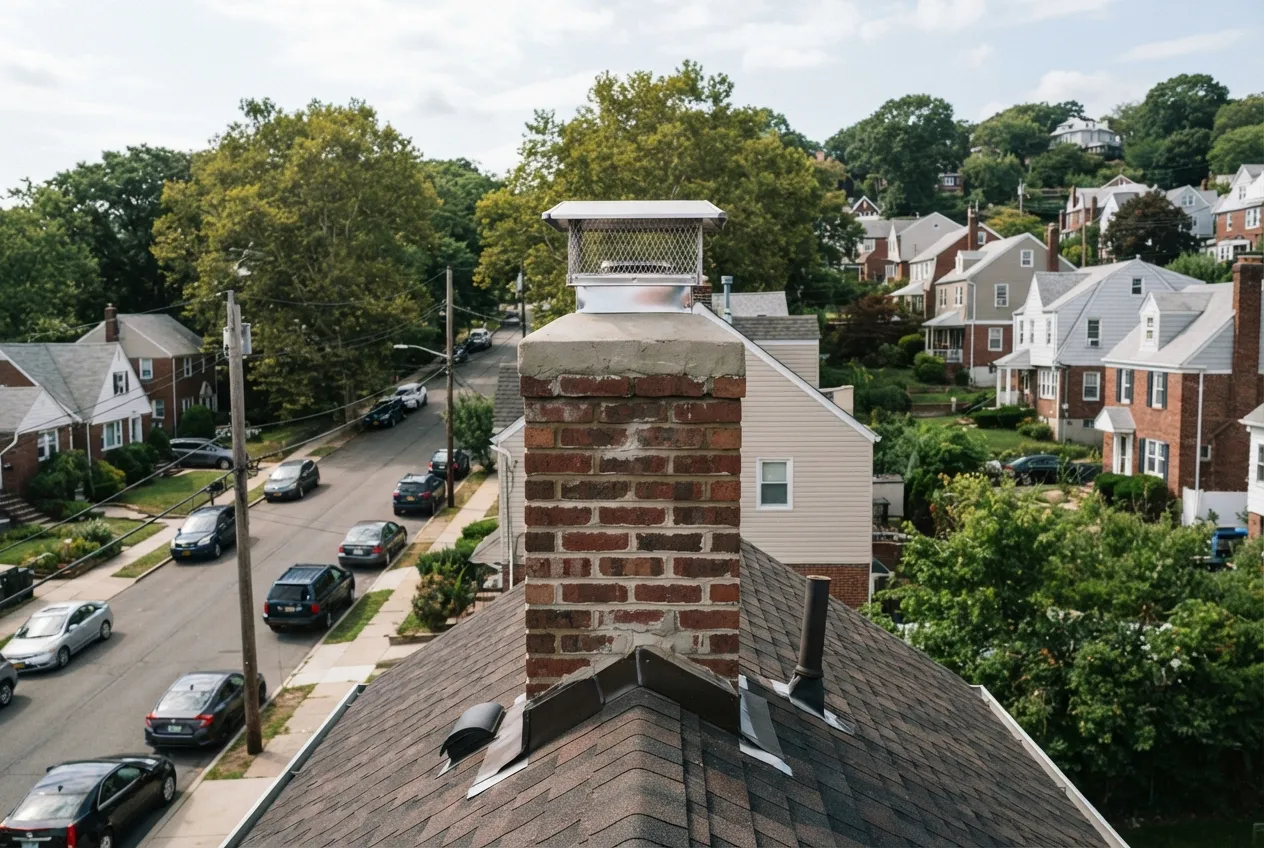
Chimney professionals use three inspection levels. We recommend the level that fits what has actually happened to your home, not the most involved one.
- Level 1: For a chimney that has not changed since its last inspection. We check the accessible parts of the chimney, the firebox, damper, flue and connections, and look for blockages and combustible deposits.
- Level 2: For a system that has changed, for example a new furnace, boiler or insert, or a switch of fuel. It is also the right choice when a home is being bought or sold. It adds a video scan of the flue interior and a look at accessible attics, crawl spaces and the exterior.
- Level 3: Only when a serious hidden hazard is suspected and has to be reached by opening part of the chimney or the building. We explain the reason before any removal is considered.
Oil-to-Gas Conversions and Chimney Liners
Some Huguenot homes that once heated with oil now run gas boilers or furnaces, and others are planning the change. When a New York City building converts its boiler from oil to gas, the chimney has to be evaluated as part of the work. A new liner is often needed, because gas exhaust produces acidic condensate that can corrode a masonry flue from the inside.
If you have converted recently, or you are about to, a Level 2 inspection shows whether your existing flue suits the new appliance. If it does not, we explain your liner options in plain terms so you can plan the job with your heating contractor.
Time for your annual chimney check?
What We Check During a Visit
Every inspection follows the same careful routine, adjusted to your chimney type. We protect the work area, examine the firebox and smoke chamber, test the damper, and look up the flue. For masonry chimneys we check the crown, flashing and mortar joints where we can safely see them. For factory-built systems we check the chase, the cap and the pipe sections.
Afterward we walk you through what we found, show photos or video when we have them, and separate urgent safety items from things that can wait. You decide what to do next.
Timing Your Inspection Around Heat Season
New York City's heat season runs from October 1 through May 31. For most homeowners, late summer and early fall are the best times to schedule, before you light the first fire or the furnace starts running steadily.
We also serve nearby Annadale, Prince's Bay, Woodrow, Arden Heights and Rossville. If you are buying a home anywhere on the South Shore, book the inspection before closing so the findings can be part of your decision.
More services in Huguenot
- Chimney Sweep in Huguenot
- Chimney Repair in Huguenot
- Air Duct Cleaning in Huguenot
- Chimney Liner Installation in Huguenot