The short answer
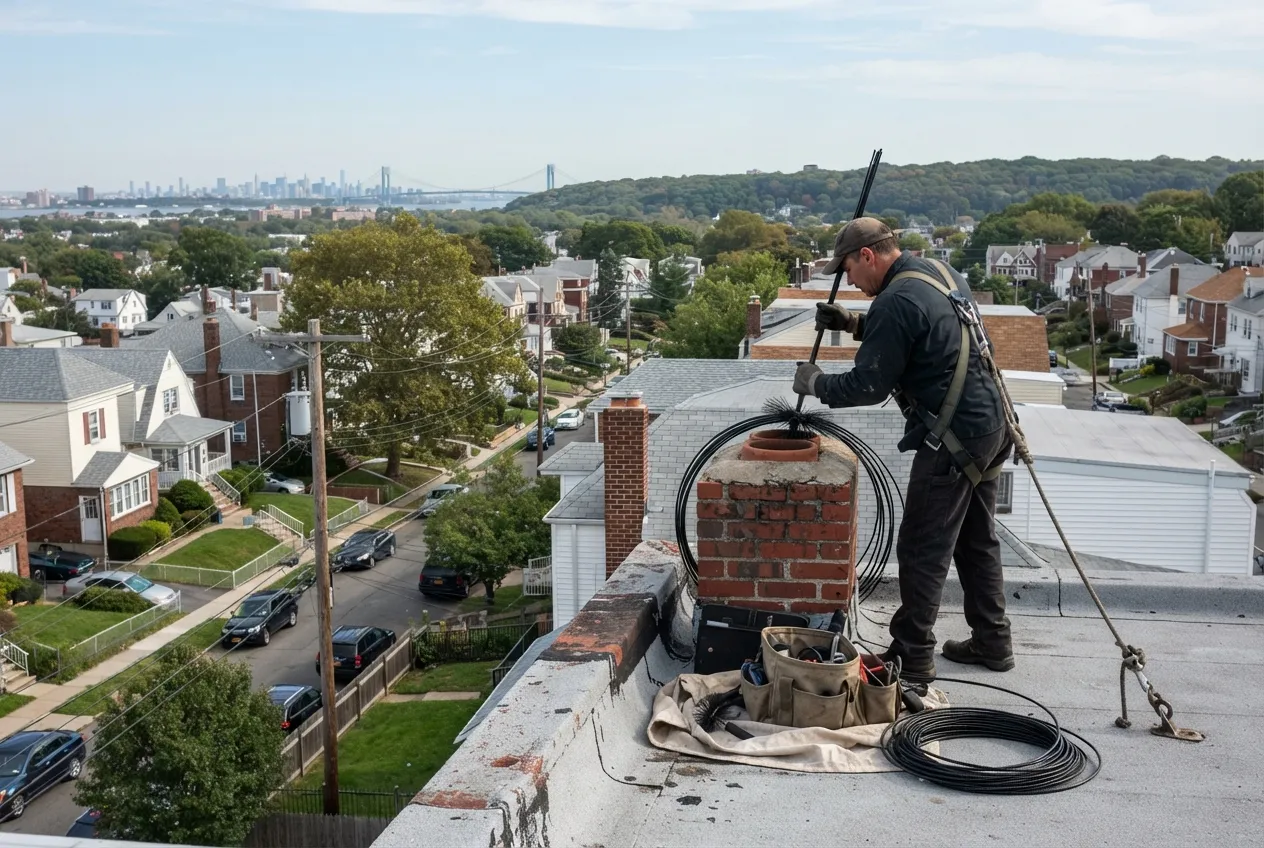
Huguenot homes usually need a new chimney liner when a heating system converts from oil to gas, when a new appliance is installed, or when an inspection finds a damaged flue. BluePeak's certified technicians inspect the chimney first, size a liner to the appliance it will serve, and install it so exhaust leaves the house safely.
A chimney liner is the channel inside your chimney that carries smoke and exhaust gases out of the house. It keeps heat and acidic byproducts away from the surrounding brick and framing. In Huguenot, liner work usually comes up for three reasons: a boiler or furnace is switching from oil to gas, a new heating appliance or wood stove is going in, or an inspection has turned up a cracked or deteriorated clay flue. BluePeak Chimney Service is based about a mile northeast of Huguenot. Our certified technicians install liners in homes throughout the 10309 and 10312 ZIP codes. Below is what the work involves, when it is needed, and how to prepare.
Why Huguenot Homes Need New Liners
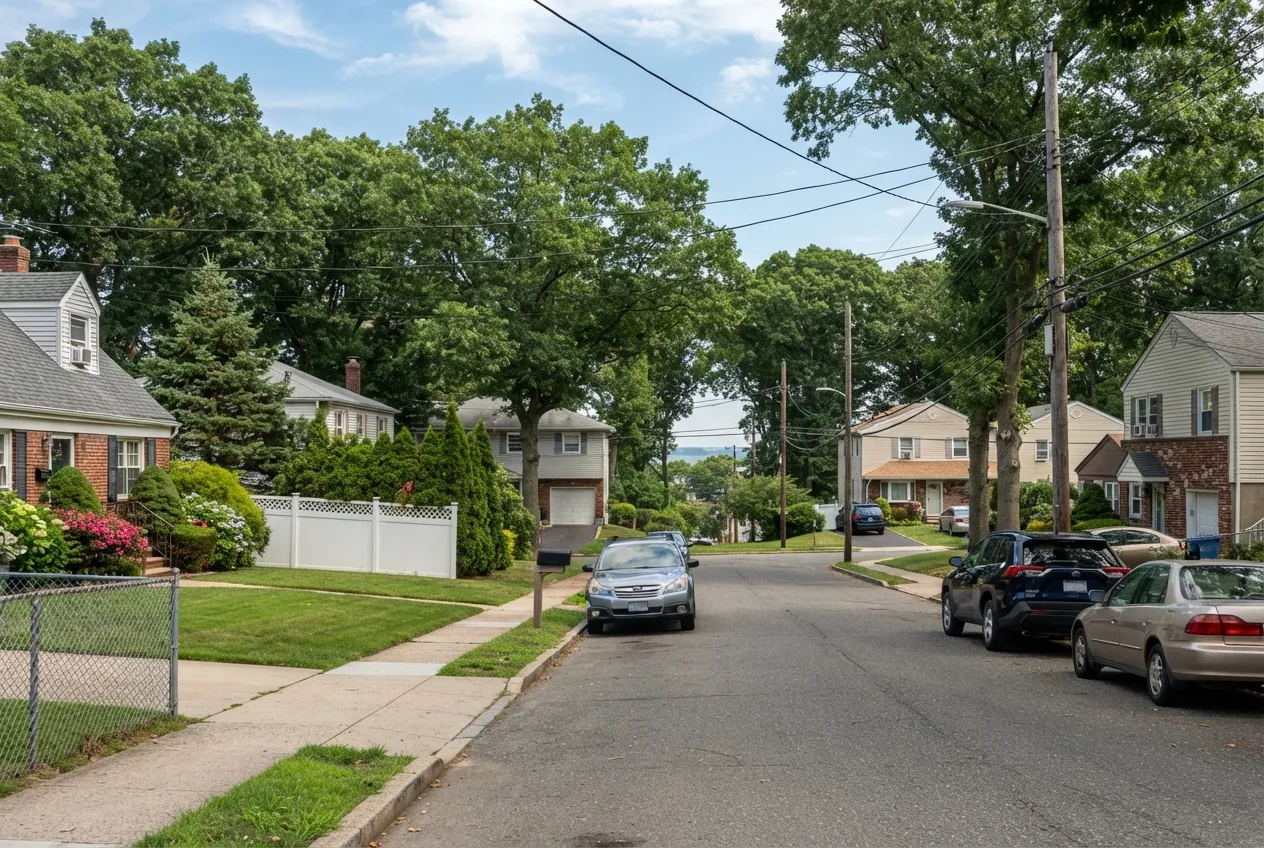
Most houses in Huguenot are detached single-family and two-family homes. They range from older houses with masonry chimneys to newer construction with factory-built systems. Many of the masonry chimneys were built with clay tile liners sized for oil-fired boilers or open fireplaces. Those liners can work for decades. They are often the wrong size or material once the appliance connected to them changes.
The most common trigger is a heating conversion. When a New York City building converts its boiler from oil to gas, the chimney has to be evaluated as part of the job. A new liner is often needed because gas exhaust produces acidic condensate, and that condensate can corrode a masonry flue from the inside. Older clay tiles can also crack from heat, settling or water getting into the chimney. Those cracks let exhaust and heat reach parts of the house they shouldn't.
- Converting a boiler or furnace from oil to gas
- Installing a new furnace, boiler, water heater, wood stove or insert
- Cracked, missing or spalling clay flue tiles found during an inspection
- A flue that is too large or too small for the appliance it vents
- Water staining, crumbling mortar or debris falling into the firebox or cleanout
Inspection Comes Before Installation
We don't install a liner without first looking at the chimney. The NFPA 211 standard calls for chimneys, fireplaces and vents to be inspected once a year. It describes three inspection levels. A Level 2 inspection applies when the system changes, such as a new appliance or a switch of fuel, and when a home is sold. A Level 3 inspection is used when a hidden hazard can only be reached by opening part of the chimney or the building.
For most liner jobs in Huguenot, a Level 2 inspection with a camera run through the flue is what's needed. It tells us the flue's condition, its size and shape, any offsets or bends, and whether the masonry around it needs repair before a liner goes in.
Choosing the Right Liner
The right liner depends on what it will vent. We match the liner type and diameter to the appliance manufacturer's requirements and to the chimney itself. A correctly sized liner helps exhaust draft properly. It also reduces condensation, which matters a lot with modern gas equipment.
- Stainless steel liners: the most common choice for gas and oil conversions, wood stoves and inserts; flexible versions can follow offsets in older chimneys
- Aluminum liners: suitable for certain gas appliances where the manufacturer allows them
- Cast-in-place liners: a poured lining for masonry chimneys that need structural reinforcement as well as a new flue surface
- Clay tile replacement: possible in some cases, though it usually means more demolition
Time for your annual chimney check?
What Installation Day Looks Like
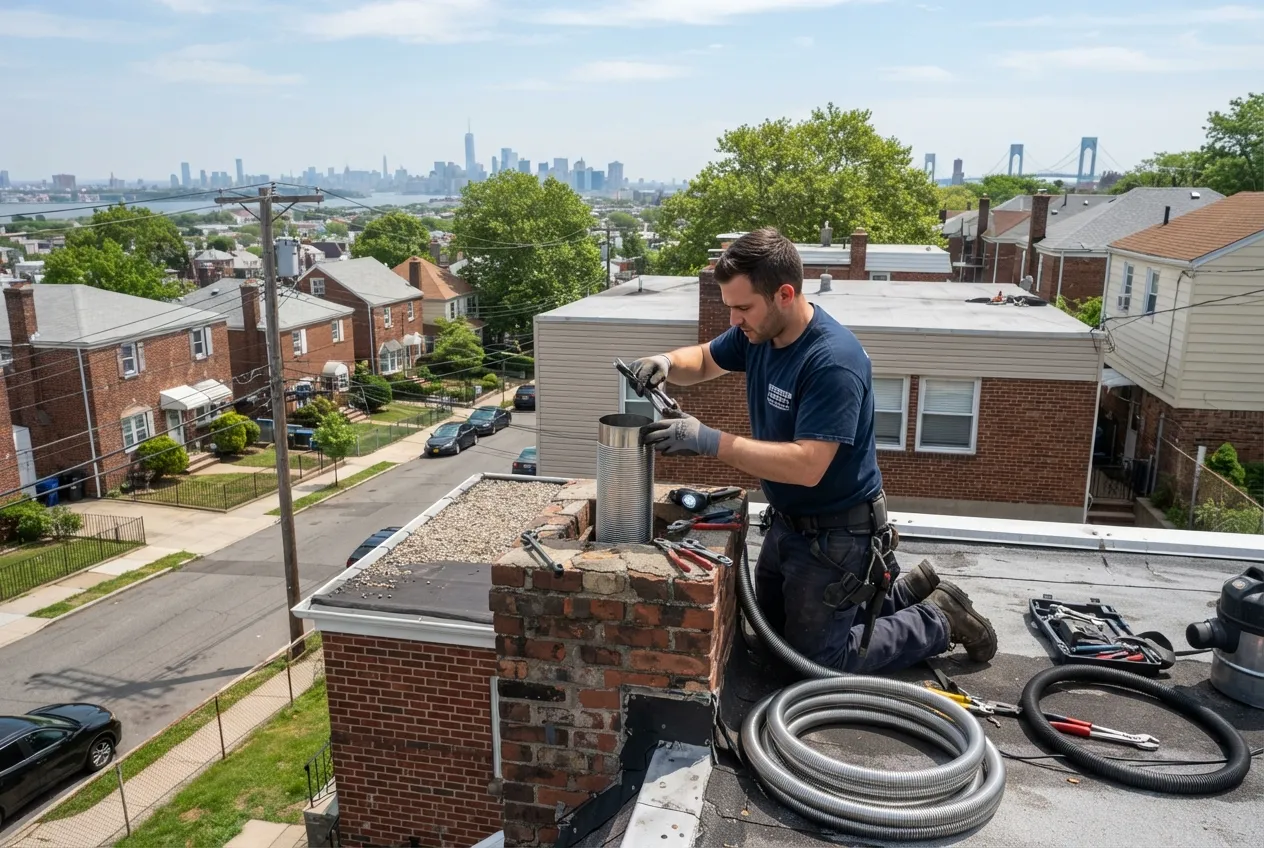
Most stainless steel liner installations in Huguenot homes go in from the roof. We clean the existing flue first. Then we lower the liner through the chimney and connect it to the appliance at the bottom. At the top, we finish with a top plate and a cap that keeps out rain, birds and debris. Where the manufacturer calls for insulation, we wrap the liner before it goes in.
We lay down drop cloths around the work area and keep the appliance side tidy. Before we leave, we check the connection and show you what was done, including photos of the finished flue.
Timing Around the Heating Season
New York City's heat season runs from October 1 through May 31. During those months, owners of rental units must keep apartments heated to the city's minimum temperatures. If you own a two-family house in Huguenot and rent out a unit, plan liner work and gas conversions before October if you can, so your heat isn't down when tenants depend on it. Summer and early fall are the easiest times to schedule. We also serve nearby Annadale, Prince's Bay, Woodrow, Arden Heights and Rossville.
More services in Huguenot
- Chimney Sweep in Huguenot
- Chimney Inspection in Huguenot
- Chimney Repair in Huguenot
- Air Duct Cleaning in Huguenot