The short answer
Homes in Tottenville should have their chimney, fireplace and heating vents inspected once a year, as the NFPA 211 standard calls for. A Level 1 inspection fits most years. A Level 2 inspection is called for after a new appliance, a switch from oil to gas, or a home sale.
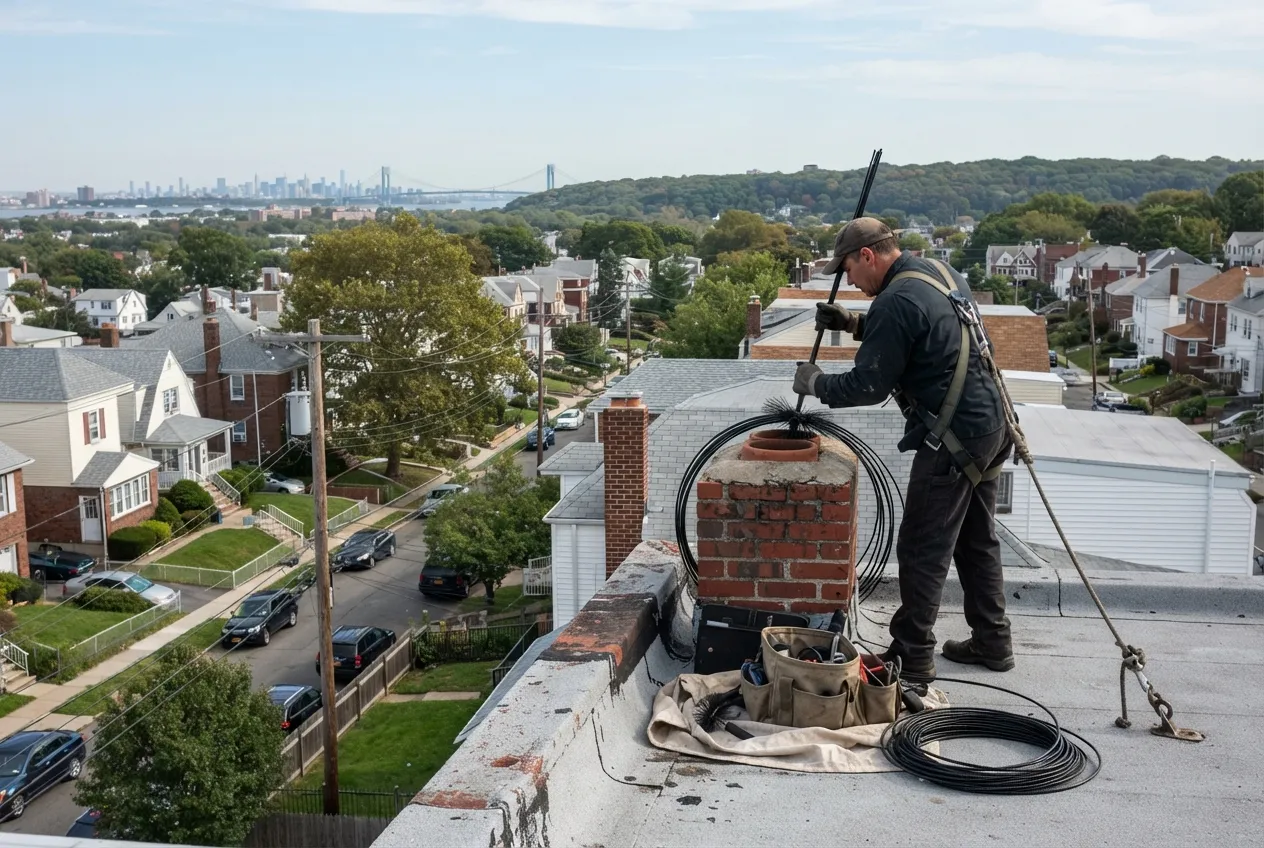
Most chimney problems don't announce themselves. A cracked flue tile, a liner corroded by exhaust, or a nest wedged above the damper can go unnoticed until the first cold night you light a fire or the boiler kicks on. A chimney inspection finds those problems while they are still small. BluePeak Chimney Service inspects chimneys, fireplaces and heating vents for homeowners in Tottenville and throughout the 10307 ZIP code, about 3 miles west of our Staten Island office. Our certified technicians tell you what they found, show you where it is, and explain what needs attention, if anything.
Which inspection level your Tottenville home needs
The NFPA 211 standard calls for chimneys, fireplaces and vents to be inspected once a year. Not every inspection is the same, though. Chimney professionals use three levels, and the right one depends on what has happened since the last check.
If you're not sure which level applies, tell us about the house, the appliance and any recent work. We'll recommend the level that fits your situation, not the most involved one.
- Level 1 is for a chimney and appliance that haven't changed. We examine the readily accessible parts of the chimney, the firebox or appliance connection, and look for blockages, buildup and obvious damage.
- Level 2 is for when something in the system changes, such as a new boiler, furnace, stove or insert, or a switch from one fuel to another. It also applies when the home is being sold. It includes a closer look at the flue, often with a camera run through its length.
- Level 3 is for when a hidden hazard has to be reached by opening part of the chimney or the building. This is uncommon, and we explain exactly why before recommending it.
What we look for in Tottenville homes
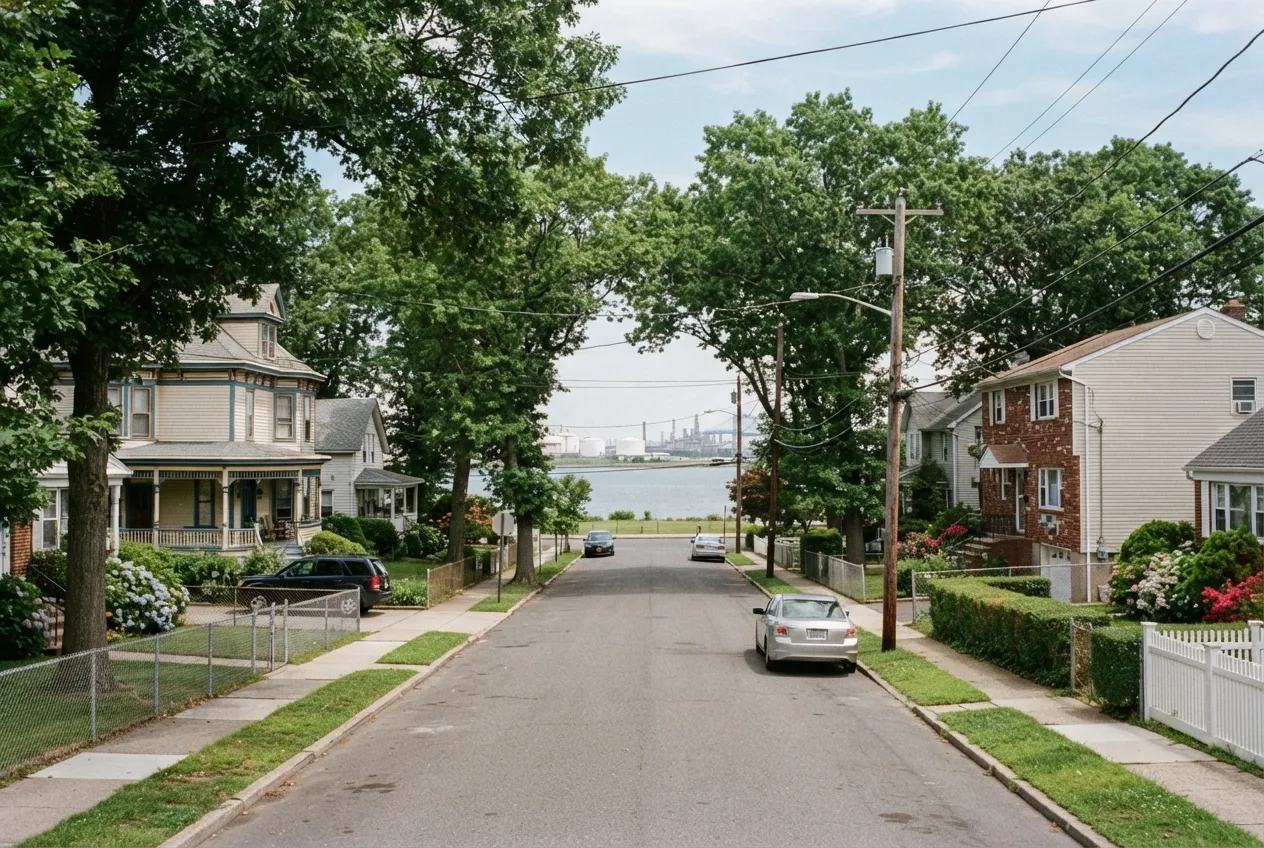
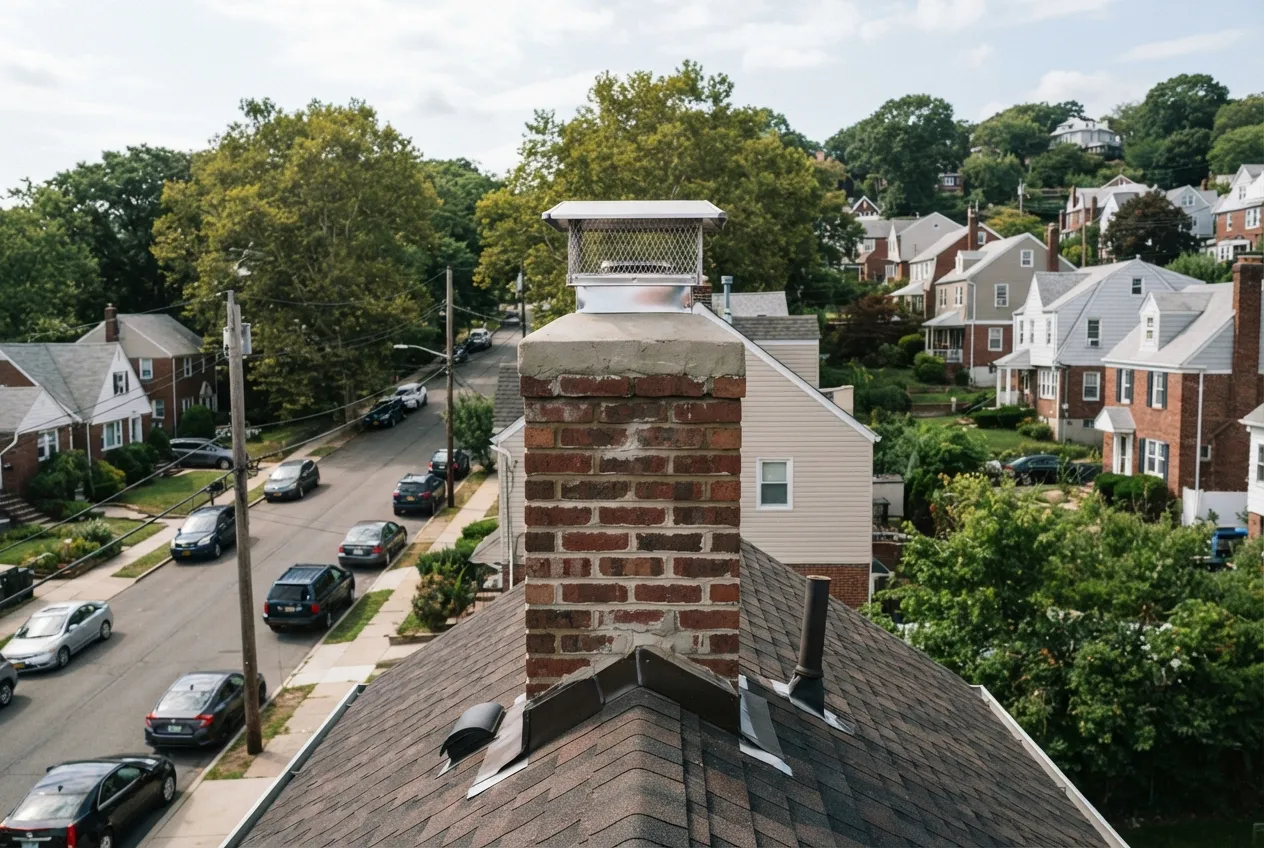
Tottenville is mostly detached houses, from older wood-frame homes to newer construction, along with some attached townhouses. That mix means we see a range of chimney types:
Each type wears differently. On masonry chimneys we check the crown, mortar joints and flashing for gaps that let water in. We also check the flue tiles for cracks or missing sections. On metal chimney systems we look at joints, supports, the cap and clearances to framing. For any appliance vent, we confirm the connector is sound and the flue is clear.
Rain, wind and repeated freezing and thawing wear on any exposed chimney over time, so water damage is one of the most common things we find.
- Traditional masonry chimneys serving fireplaces
- Masonry flues venting oil or gas boilers
- Factory-built fireplaces with metal chimney pipe in more recent homes
Switching from oil to gas? Have the chimney checked
If you're replacing an oil boiler with a gas unit, plan for the chimney too. In New York City, when a building converts its boiler from oil to gas, the chimney has to be evaluated as part of the work. A new liner is often needed. Gas exhaust produces acidic condensate that can corrode a masonry flue, even one that served an oil boiler without trouble for years.
A fuel switch is also one of the situations that calls for a Level 2 inspection. We look at the existing flue's condition and size and tell you whether it can serve the new appliance or needs a liner. Coordinating with your heating contractor early helps keep the project from stalling.
Time for your annual chimney check?
When to schedule an inspection
New York City's heat season runs from October 1 through May 31. That rule applies to building owners keeping apartments heated, but it's a useful reminder for any homeowner. Your heating system and the chimney that vents it will be working hard for eight months. An inspection in late spring or summer leaves time to handle any repairs before cold weather arrives.
Don't wait for the yearly visit if you notice any of these:
- Smoke drifting into the room when the fireplace is in use
- A strong odor from the fireplace, especially in humid weather
- Pieces of tile, brick or mortar in the firebox or at the base of the flue
- Water stains on walls or ceilings near the chimney
- Animals or nesting material in or near the flue
- Your home is being sold or purchased
What happens after the inspection
We go over the findings with you in plain terms:
Where it helps, we show you photos or camera footage of the problem area. If cleaning or repair is needed, we explain the options so you can decide what to do.
Along with Tottenville, we inspect chimneys in nearby Charleston, Annadale, Huguenot, Prince's Bay and Woodrow.
- What is in good shape
- What needs watching
- What should be fixed before the system is used again
More services in Tottenville
- Chimney Sweep in Tottenville
- Chimney Repair in Tottenville
- Air Duct Cleaning in Tottenville
- Chimney Liner Installation in Tottenville