The short answer
Air duct cleaning makes sense when ducts have substantial visible mold, signs of rodents or insects, or heavy dust and debris. Otherwise it is often unnecessary. BluePeak inspects Charleston homes first and only recommends cleaning when the ducts show a clear reason for it.
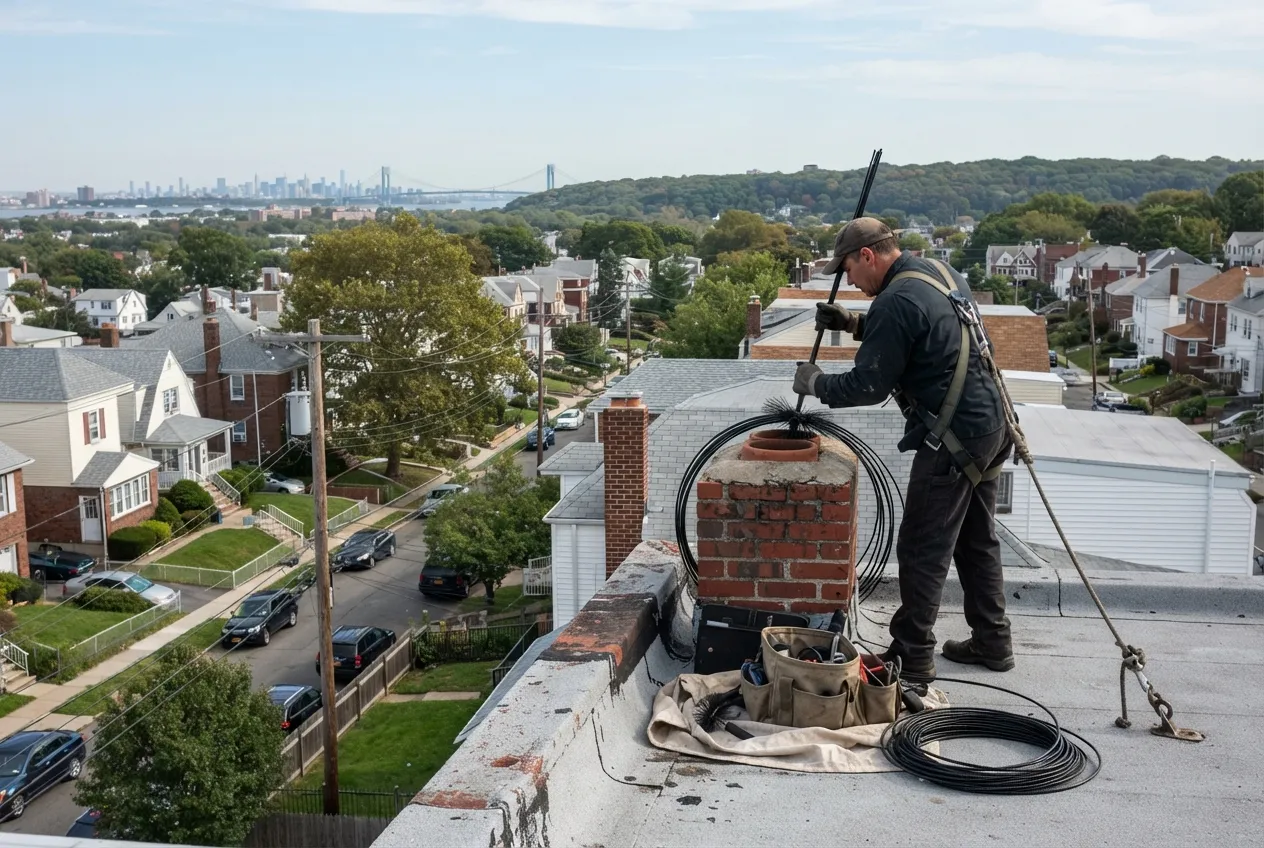
If you live in Charleston, you may be wondering whether your home's air ducts need cleaning or whether it's a service you can skip. BluePeak Chimney Service cleans ductwork for homes in the 10307 ZIP code, about 3 miles west of our Staten Island office. Our certified technicians start by looking inside your system, and they will tell you plainly if cleaning isn't needed yet. This page explains when duct cleaning makes sense, how it works in the kinds of homes found in Charleston, and how to prepare for a visit.
When Duct Cleaning Is Worth Doing
The U.S. EPA advises cleaning air ducts in three situations: substantial mold growth you can see inside the ducts or on other heating and cooling parts, vermin such as rodents or insects living in the system, or so much dust and debris that it blows out of the supply registers. The EPA also notes that duct cleaning has not been shown to prevent health problems. We tell customers that directly, because cleaning works best when it solves a specific problem.
Signs that are worth a closer look in your home include:
- Dust puffing from vents when the system starts up
- Visible growth on register covers, coils or inside duct openings
- Droppings, nesting material or odors that suggest animals in the ductwork
- Heavy debris left after a renovation, flooring job or drywall work
- A system that sat unused for a long stretch before you moved in
Ductwork in Charleston Homes
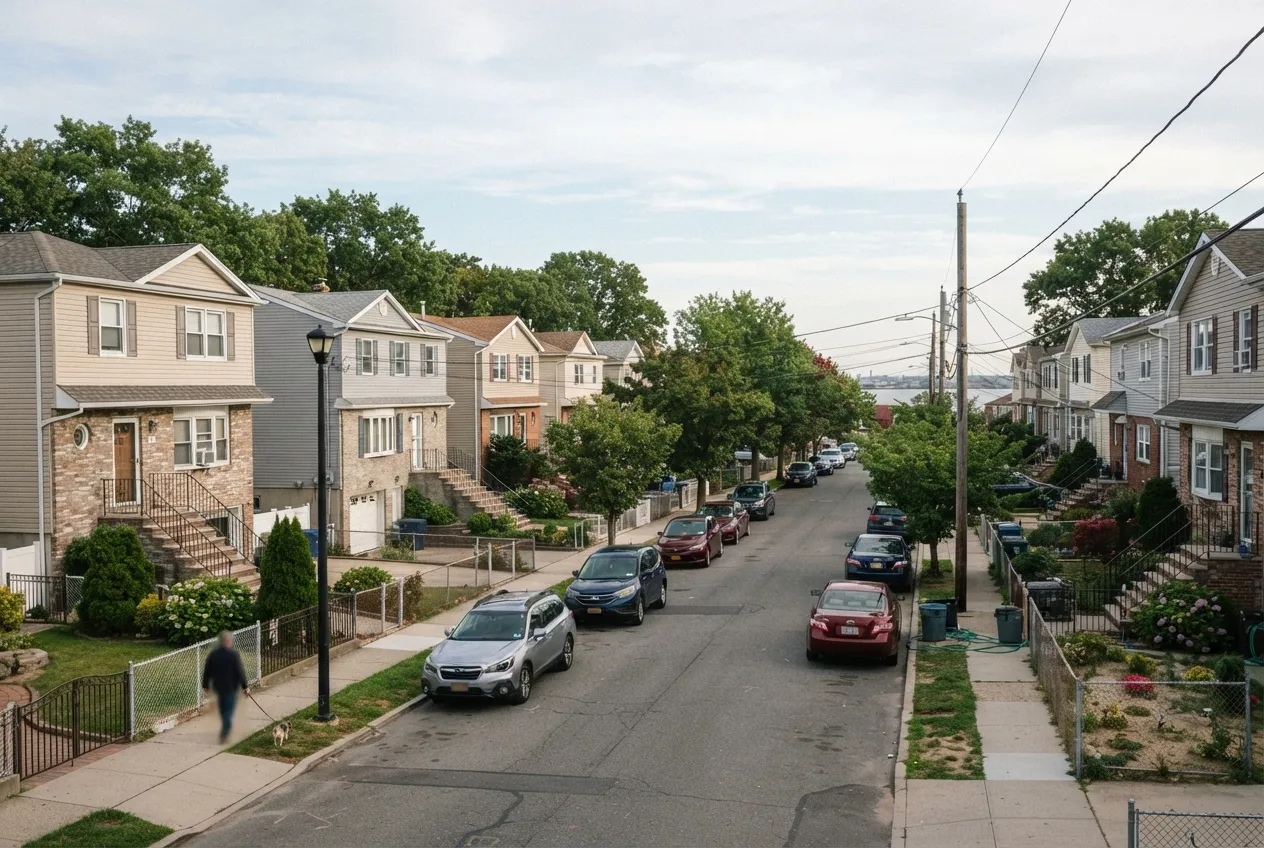
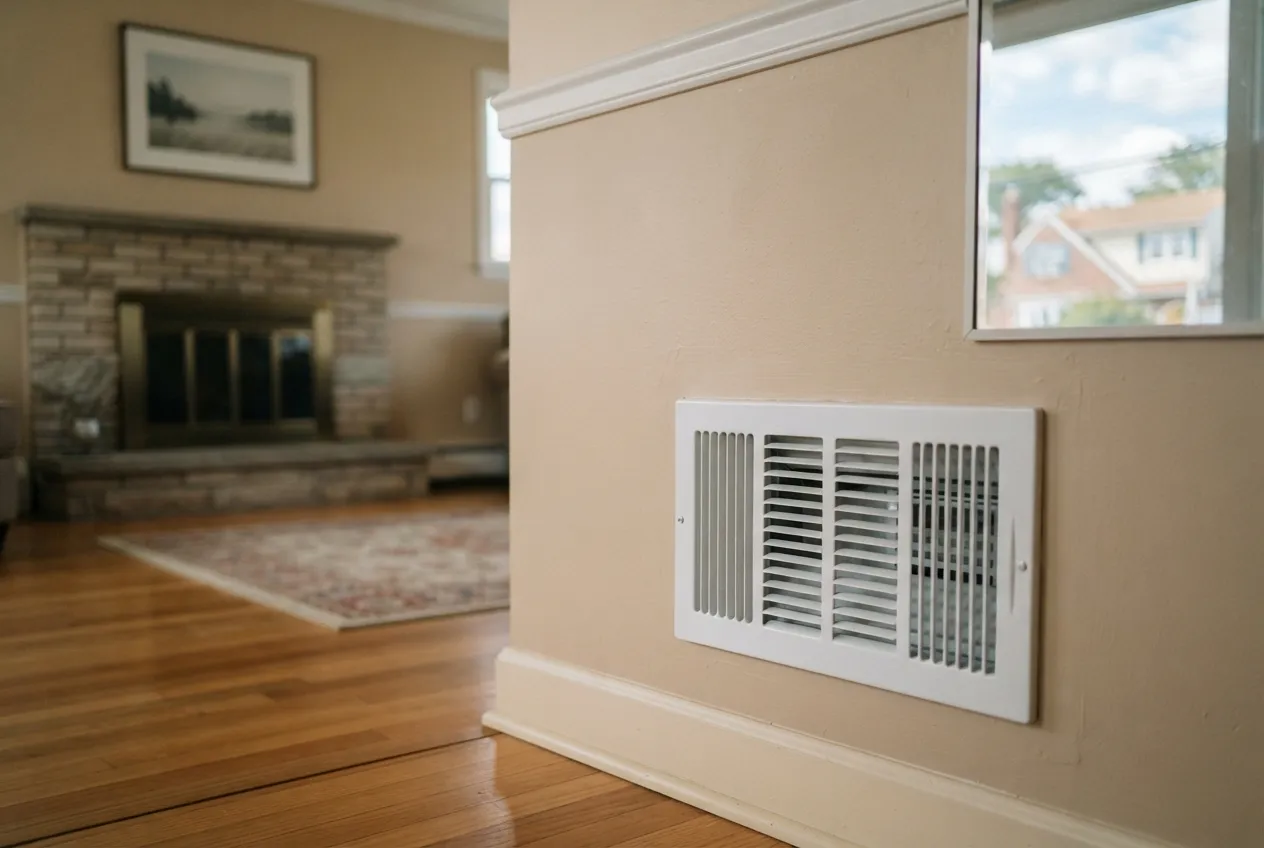
Charleston is mostly detached and semi-detached houses, along with newer townhouse-style homes. Many have forced-air heating and central air, with ducts running through basements, crawl spaces, attics and the walls between floors. Basement trunk lines are usually easy to reach. Branch lines running up to second-floor bedrooms often have tighter bends and longer runs.
In newer homes, construction dust can stay in the ducts long after the work is done. In older homes, ductwork may have been extended or patched during additions and finished basements. Those changes can leave gaps that pull in dust from unfinished spaces. Our technicians note these issues during the inspection, because sealing a leaky joint can matter as much as the cleaning.
What Happens During a Visit
We begin with an inspection. We remove a few registers, look into supply and return lines, and check the blower area. If the ducts look reasonably clean, we will tell you, and you will not be pushed into a service you don't need.
When cleaning is warranted, the process includes:
- Covering floors and furniture near the work areas
- Putting the duct system under negative pressure so loosened debris is pulled into collection equipment, not into your rooms
- Agitating the inside of each line with brushes or air tools to free stuck-on dust
- Cleaning supply registers, return grilles and accessible parts of the air handler
- Showing you what came out and pointing out any leaks, damage or problem areas we found
Time for your annual chimney check?
A Note on Chemical Treatments and Bargain Offers
The EPA suggests researching any duct cleaning service before responding to an advertised offer that seems very cheap. Some low-priced offers turn into upsells once the crew is inside. The EPA also urges caution with chemical treatments such as sanitizers and sealants sprayed into ductwork. We do not apply chemicals as a routine add-on. If one is ever proposed, we explain what it is, why it would be used, and you decide whether to go ahead.
We also suggest checking your furnace filter before and after cleaning. A clogged or poorly fitting filter is one of the most common reasons dust builds up in a system in the first place.
Timing, Dryer Vents and Nearby Areas
Many Charleston homeowners schedule duct work in late summer or early fall, before the heat runs steadily through the colder months. Cleaning is also a good idea after a major renovation, before moving into a home that sat empty, or after dealing with a rodent problem.
If your laundry is near the mechanical room, ask us to look at the dryer vent during the same visit. The U.S. Fire Administration reports that failure to clean is the leading factor contributing to home clothes dryer fires. Lint-filled vents are common in homes where the dryer exhausts through a long or bent run.
Along with Charleston, we serve nearby South Shore neighborhoods, including Tottenville, Annadale, Huguenot, Prince's Bay and Woodrow.
More services in Charleston
- Chimney Sweep in Charleston
- Chimney Inspection in Charleston
- Chimney Repair in Charleston
- Chimney Liner Installation in Charleston