The short answer
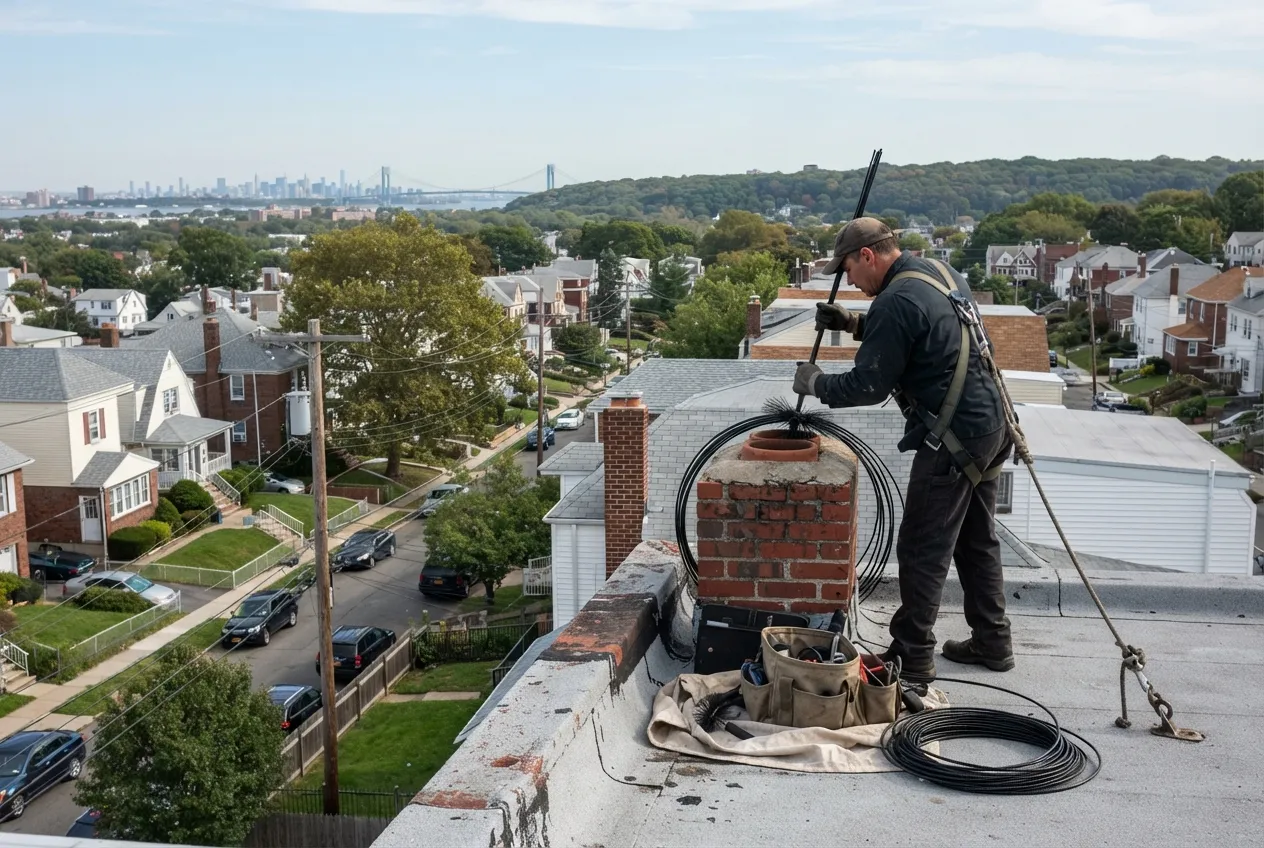
A chimney inspection checks the flue, liner, masonry, cap and connections to confirm your chimney can safely vent smoke and exhaust. The NFPA 211 standard calls for an inspection once a year, with a more detailed Level 2 inspection when you change appliances, switch fuels or sell the home. Charleston homeowners should book before the heating season starts.
Most Charleston homeowners think about their chimney only when the heat comes on or a fireplace gets its first fire of the season. A chimney works hard the rest of the time too, carrying exhaust from a furnace, boiler or water heater out of the house. BluePeak Chimney Service is based about 3 miles east of Charleston, and our certified technicians inspect chimneys throughout the 10307 ZIP code. An inspection tells you whether your flue is clear, whether the liner is intact, and whether anything needs attention before it turns into a bigger repair or a safety problem.
What a Chimney Inspection Covers
The NFPA 211 standard calls for chimneys, fireplaces and vents to be inspected once a year. Chimney professionals use three levels of inspection, and the right one depends on what has changed in your home.
A Level 1 inspection is the routine yearly check when nothing about your system has changed. A Level 2 inspection is for when something has changed: a new furnace or boiler, a switch from oil to gas, a new insert, or a home sale. It goes further than Level 1 and usually includes a camera inspection of the flue's interior. A Level 3 inspection is needed only when a suspected hazard is hidden behind a wall, ceiling or part of the chimney itself and has to be reached by opening it up.
- Level 1: yearly check of the accessible parts of the chimney and appliance connections
- Level 2: added detail, including a video scan of the flue, after a system change or before a sale
- Level 3: opening part of the chimney or building to reach a concealed problem
Chimneys in Charleston Homes
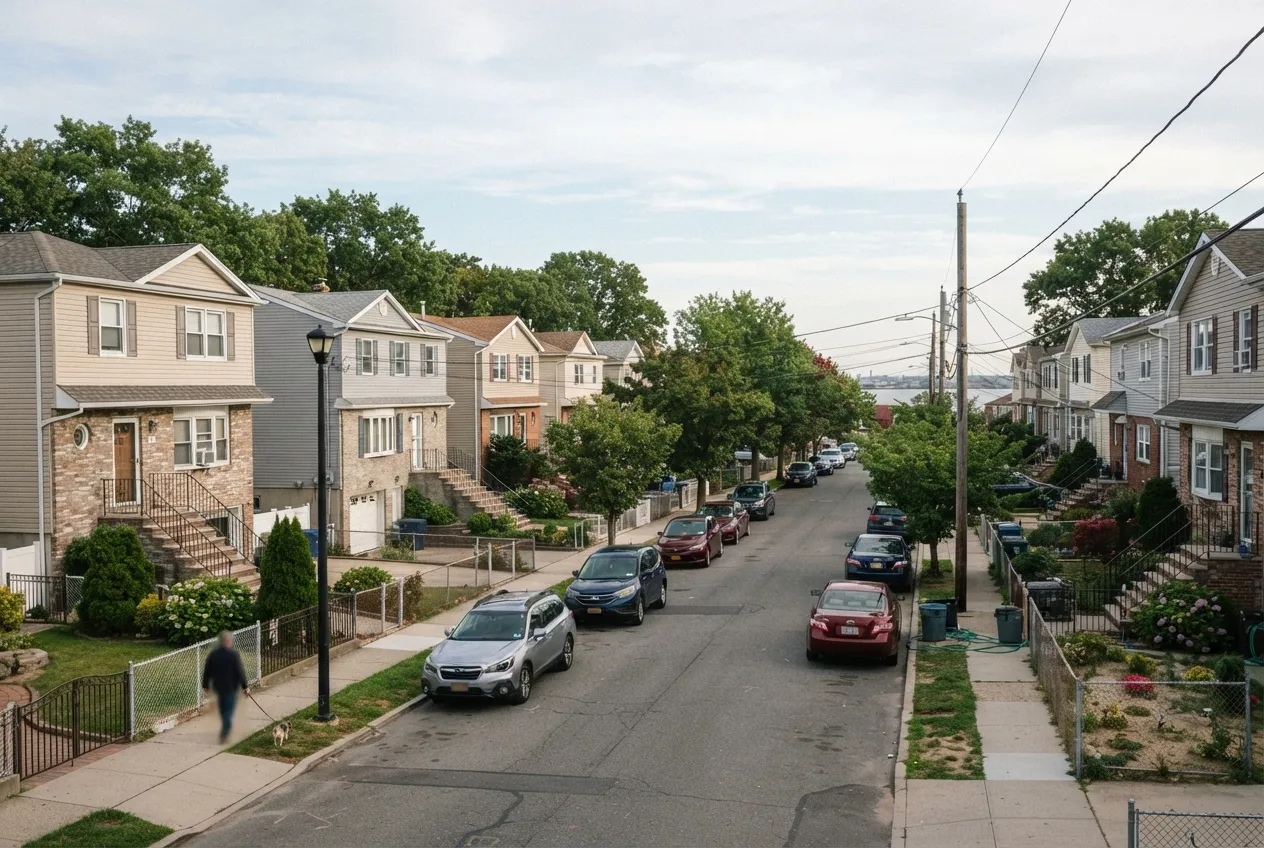
Charleston is mostly detached houses and townhouses, and many have chimneys that do two jobs. Some serve a wood-burning or gas fireplace in the living room. Others mainly vent a basement furnace, boiler or water heater, and homeowners may not realize that the chimney is part of their heating system at all.
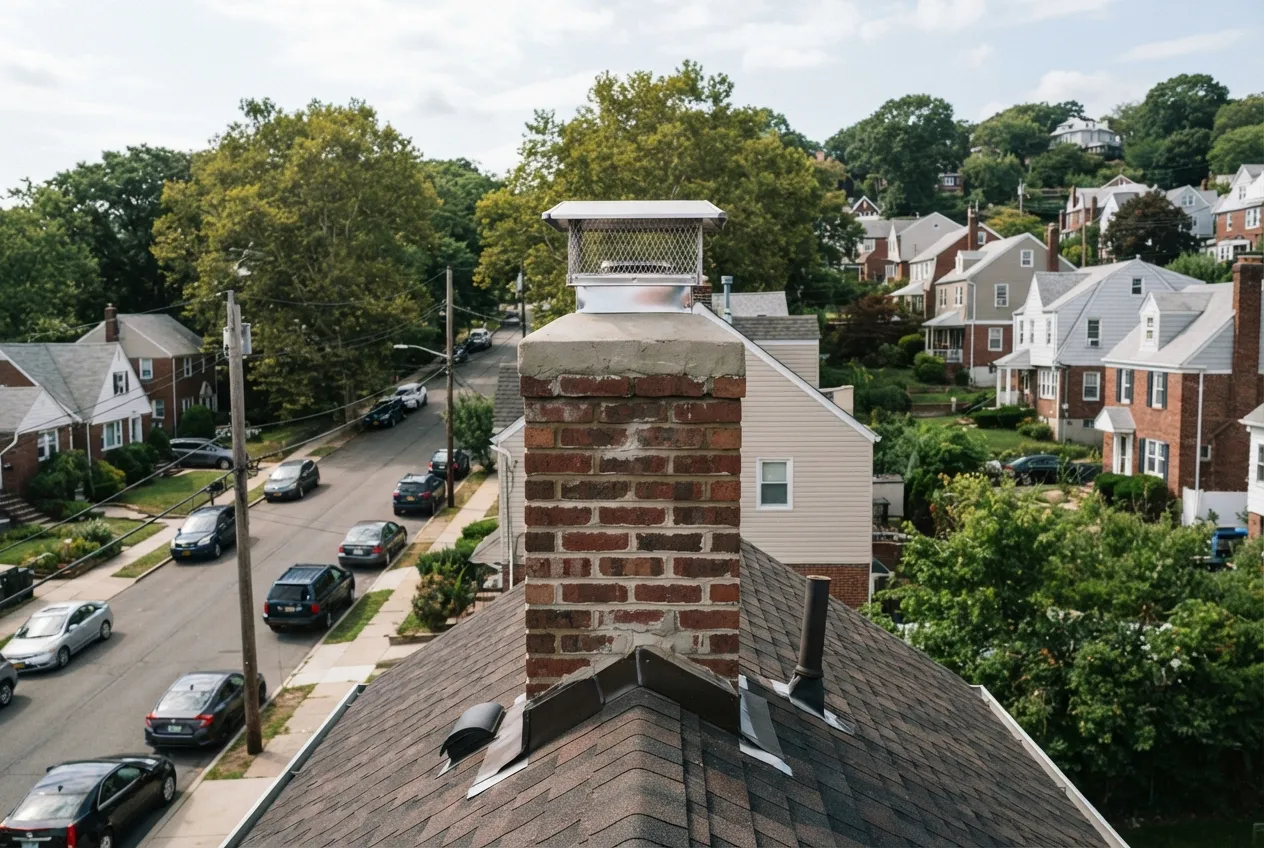
Each setup has its own weak points. Wood-burning fireplaces build up creosote that can catch fire. Appliance flues can collect debris, nesting material or fallen masonry that blocks exhaust and pushes carbon monoxide back into the house. On the outside, Staten Island's freeze-and-thaw winters work on mortar joints and crowns, so we look closely at cracks, missing caps and loose flashing where the chimney meets the roof.
Switching From Oil to Gas
If your home has converted, or is about to convert, from an oil boiler to gas, the chimney needs attention. In New York City, the chimney has to be evaluated as part of an oil-to-gas conversion. A new liner is often needed because gas exhaust produces acidic condensate that can corrode a masonry flue that was built for oil.
A Level 2 inspection gives you and your heating contractor a clear look at the existing flue, so you know whether it can be reused or should be relined. Planning for this early keeps the conversion moving without a surprise at the end.
Time for your annual chimney check?
When to Schedule Your Inspection
New York City's heat season runs from October 1 through May 31. The best time to inspect is in late summer or early fall, before the furnace or boiler runs every day and before fireplace season begins. That leaves time to handle any repairs without rushing.
Beyond the yearly check, book an inspection when you install a new heating appliance, change fuels, notice smoke or odors coming back into the room, hear animals in the flue, or are buying or selling a home in Charleston or nearby areas.
What to Expect on Inspection Day
Our technician will look at the chimney from the inside and the outside and check the connections to your appliances. We explain what we find in plain terms, with photos where they help, and tell you what can wait and what should be fixed now. If cleaning or repair is needed, we will describe the work before anything is scheduled.
- Clear the area around the fireplace and basement appliances if you can
- Let the fireplace cool fully; avoid using it the day before
- Tell us about any changes, odors, leaks or past repairs you know of
- Have questions ready; we are glad to walk you through the findings
More services in Charleston
- Chimney Sweep in Charleston
- Chimney Repair in Charleston
- Air Duct Cleaning in Charleston
- Chimney Liner Installation in Charleston