The short answer
Eltingville homeowners should have their chimney inspected once a year, as the NFPA 211 standard recommends, and a more detailed inspection is needed after a boiler replacement, a switch from oil to gas, or a home sale. BluePeak's certified technicians perform Level 1, 2 and 3 inspections for fireplaces and heating flues across Eltingville and nearby neighborhoods.
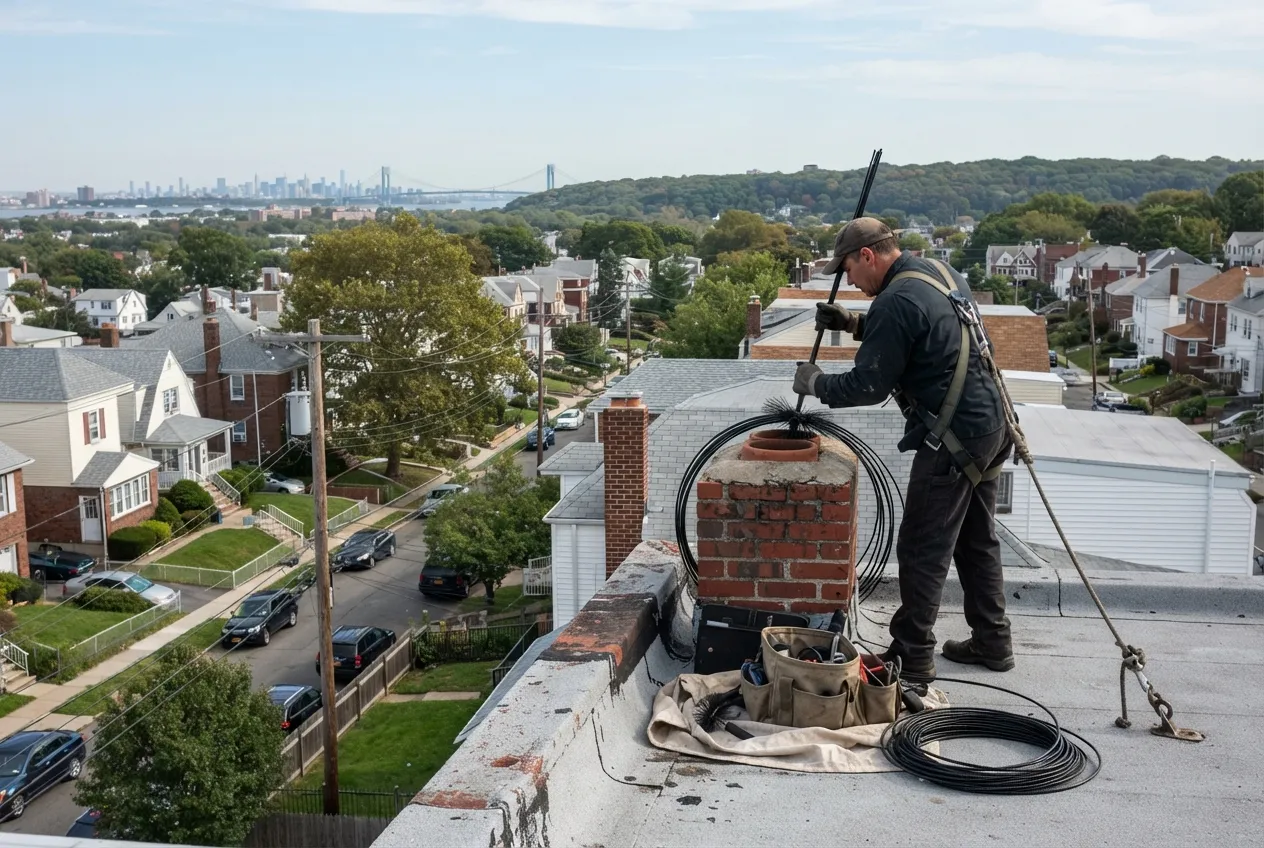
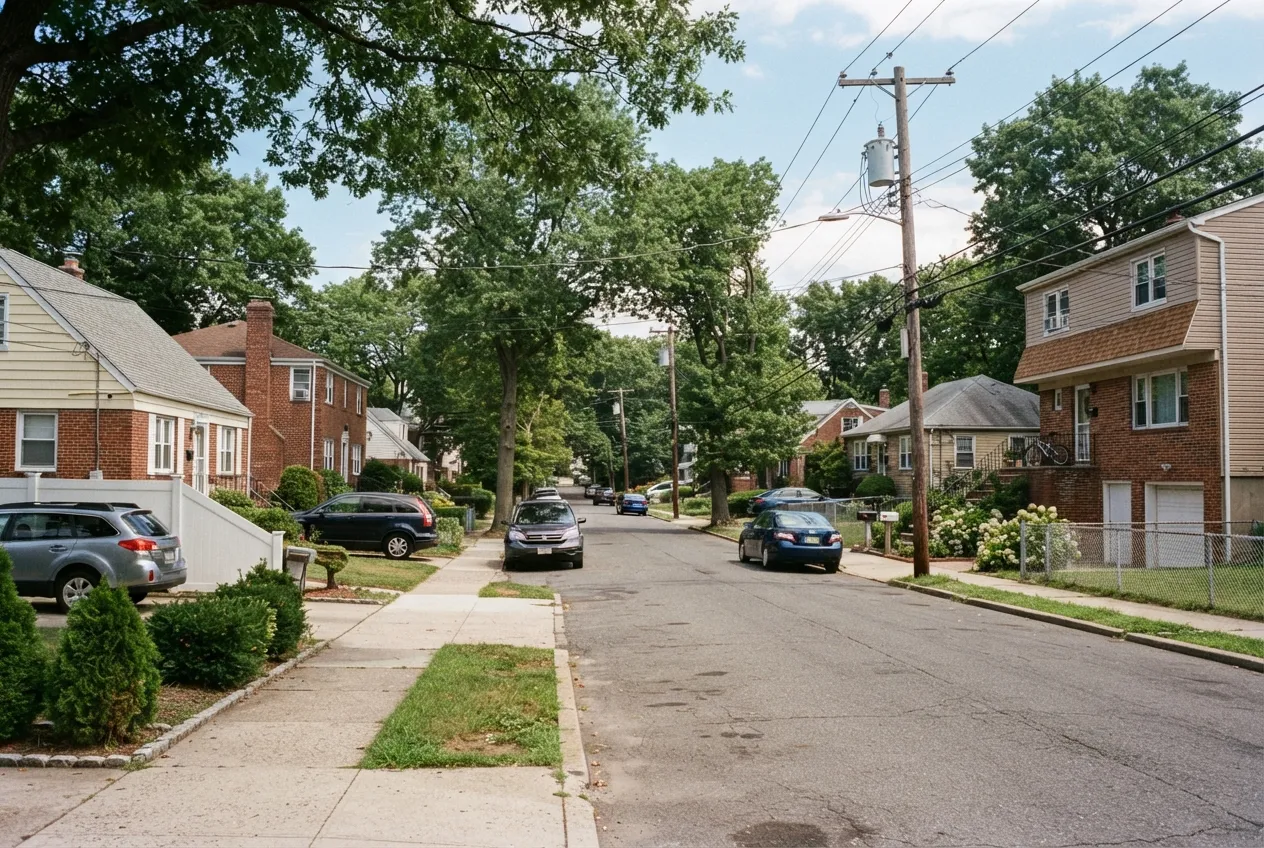
Most homes in Eltingville have a chimney doing at least one job, and often two. In many detached and semi-detached houses, the same masonry stack that serves a living-room fireplace also vents the boiler or furnace in the basement. Two-family homes may have more than one appliance tied into a single chimney. Because the flue is hidden, problems like cracked liners, loose mortar, or blockages can go unnoticed for years. A chimney inspection shows you the actual condition of the system so you can use your fireplace and heating equipment with confidence. BluePeak Chimney Service is based about a mile from Eltingville, and our certified technicians inspect chimneys throughout ZIP code 10308.
Why Eltingville Chimneys Need a Yearly Look
The NFPA 211 standard calls for chimneys, fireplaces and vents to be inspected once a year. That applies whether you burn wood every weekend or never light the fireplace at all. If your boiler or furnace vents through the chimney, the flue is working constantly during New York City's heat season, which runs from October 1 through May 31. That is eight months of exhaust passing through masonry that is also exposed to rain, freeze-thaw cycles and salt air.
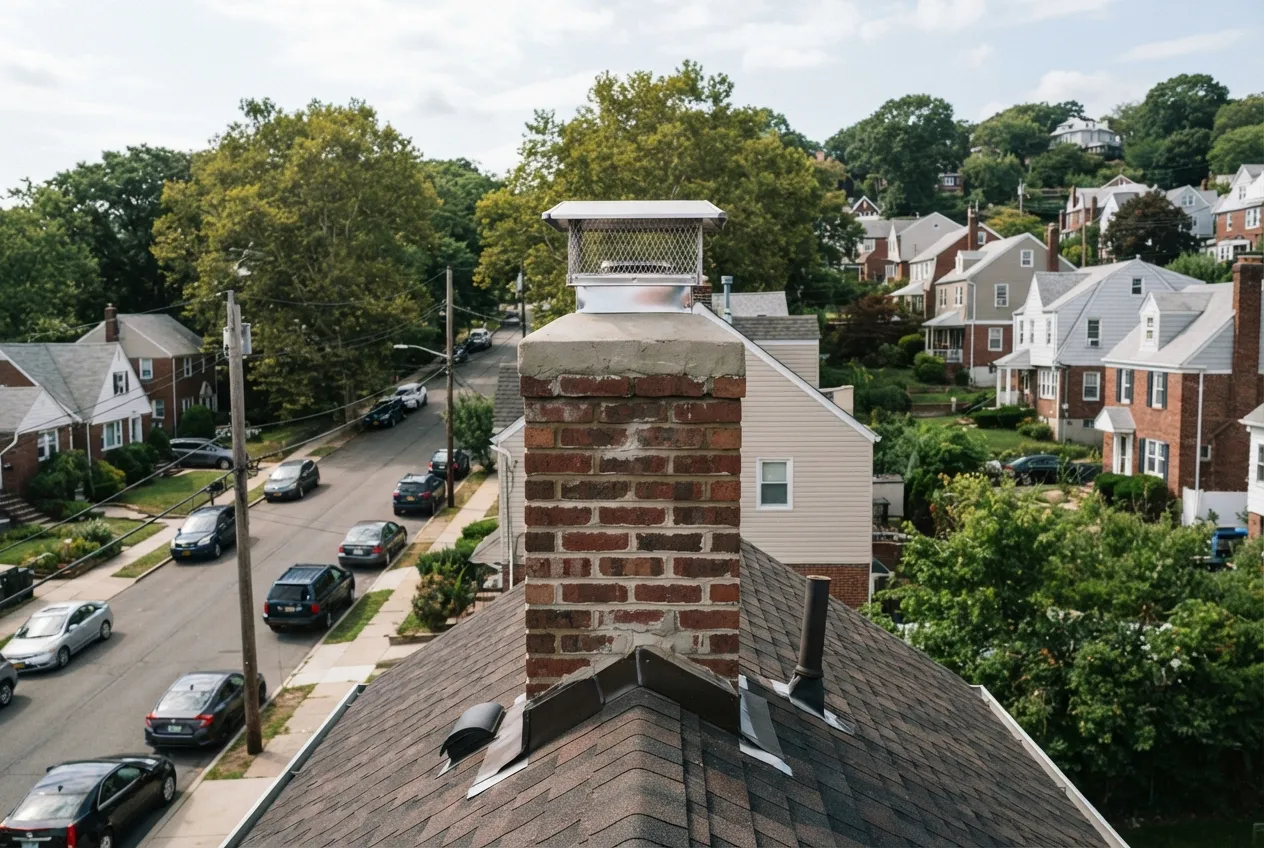
Small changes add up. A shifted flue tile, a crumbling crown or a bird's nest at the top can redirect exhaust back into the house or let water into the walls. A yearly inspection catches these issues while they are still minor.
The Three Inspection Levels, Explained
Chimney professionals use three inspection levels. The right one depends on what has happened with your home and heating system since the last inspection.
- Level 1: The standard yearly inspection when nothing about the system has changed. We examine the readily accessible parts of the chimney, firebox, damper and connections, and confirm the flue is clear.
- Level 2: Needed when the system changes, such as installing a new boiler or water heater, switching fuels, or when the home is being sold. It includes a video scan of the flue interior and a closer look at accessible areas like the attic and basement.
- Level 3: Used when a hidden hazard is suspected and can only be reached by opening part of the chimney or the building. This is not routine and is only recommended when earlier inspections point to a concealed problem.
Oil-to-Gas Conversions and Boiler Replacements
Many Staten Island homes originally heated with oil, and plenty of Eltingville owners have converted or are planning to. When a New York City building converts its boiler from oil to gas, the chimney has to be evaluated as part of the work. A new liner is often needed because gas exhaust produces acidic condensate that can corrode a masonry flue.
If you are converting, replacing an old boiler, or adding a high-efficiency water heater, schedule a Level 2 inspection before or during the project. We will tell you whether the existing flue is sized and lined correctly for the new equipment, or whether a liner should be installed first. Getting this answered early helps keep the installation on schedule.
Time for your annual chimney check?
What We Check During Your Inspection
Every inspection is tailored to the chimney in front of us, but most homes in Eltingville get a review of the following:
- Chimney crown, cap and flashing for cracks, gaps and water entry
- Exterior brick and mortar joints for spalling or deterioration
- Flue liner condition, including cracks, gaps and corrosion
- Creosote and soot buildup in fireplace flues
- Blockages from nests, debris or fallen masonry
- Damper operation and firebox condition
- Connector pipes from the boiler, furnace or water heater
- Clearances between the chimney and nearby wood framing where accessible
After the Inspection
When we finish, we walk you through what we found in plain terms and give you a written summary with photos or video where it helps. If everything checks out, you are set until next year. If we find a problem, we explain what it is, why it matters and what your options are, from a simple cleaning to a liner or masonry repair. You decide what to do next.
Besides Eltingville, we inspect chimneys in nearby Great Kills, Oakwood, Richmondtown, Arden Heights and Rossville.
More services in Eltingville
- Chimney Sweep in Eltingville
- Chimney Repair in Eltingville
- Air Duct Cleaning in Eltingville
- Chimney Liner Installation in Eltingville