The short answer
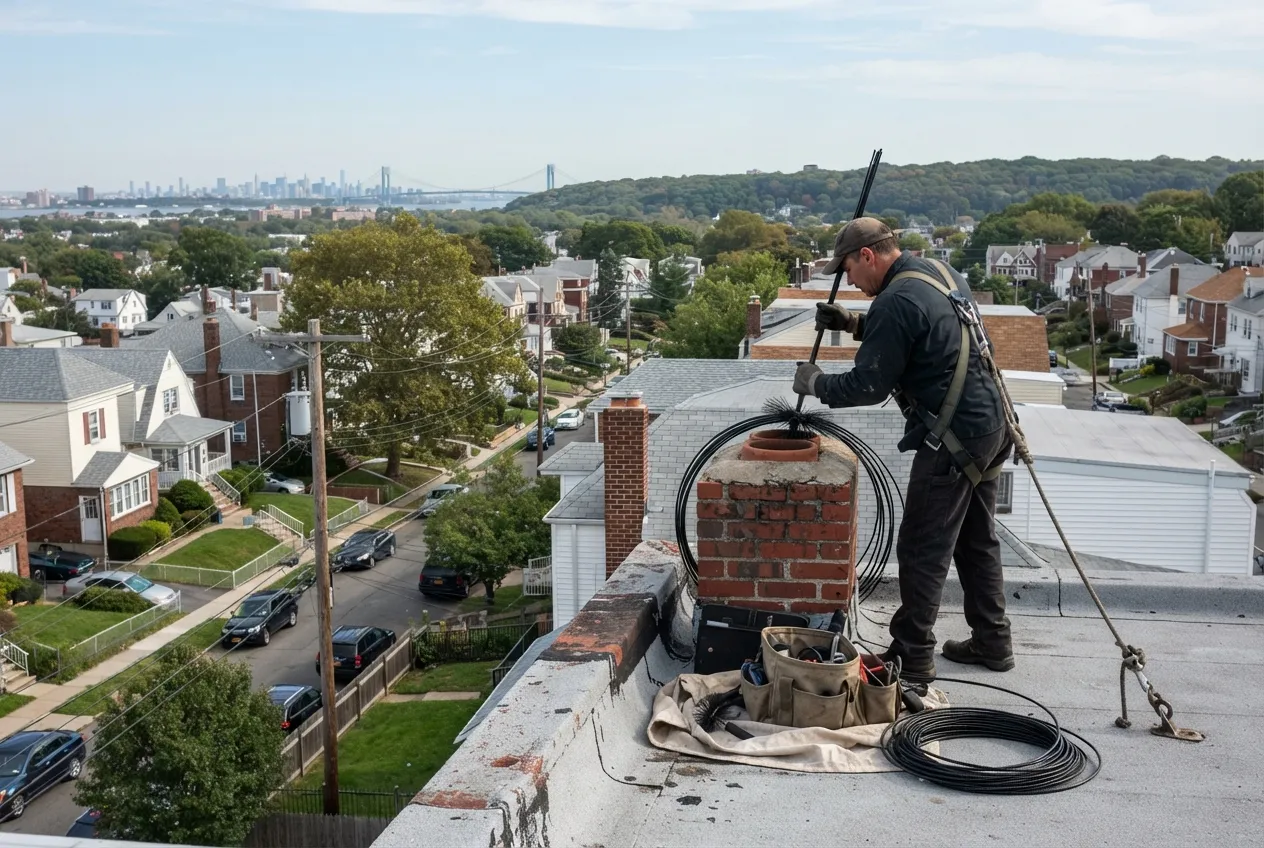
An Eltingville chimney sweep removes soot, creosote and debris from your fireplace and heating flues, and gives the technician a close look at the liner and masonry. The NFPA 211 standard calls for chimneys, fireplaces and vents to be inspected once a year. Late summer or early fall is a good time to book, before New York City's heat season starts October 1.
Many homes in Eltingville rely on a chimney for two jobs: venting a wood-burning fireplace and carrying exhaust from the boiler or furnace. Both flues collect deposits over time, and both need regular attention. BluePeak Chimney Service sweeps chimneys throughout Eltingville and the 10308 ZIP code. The neighborhood sits about a mile northeast of our Staten Island office, so scheduling a visit is simple. Our certified technicians clean the flue, check what they find along the way, and explain the condition of your chimney in plain terms so you can decide what, if anything, comes next.
What a Chimney Sweep Covers in Eltingville Homes
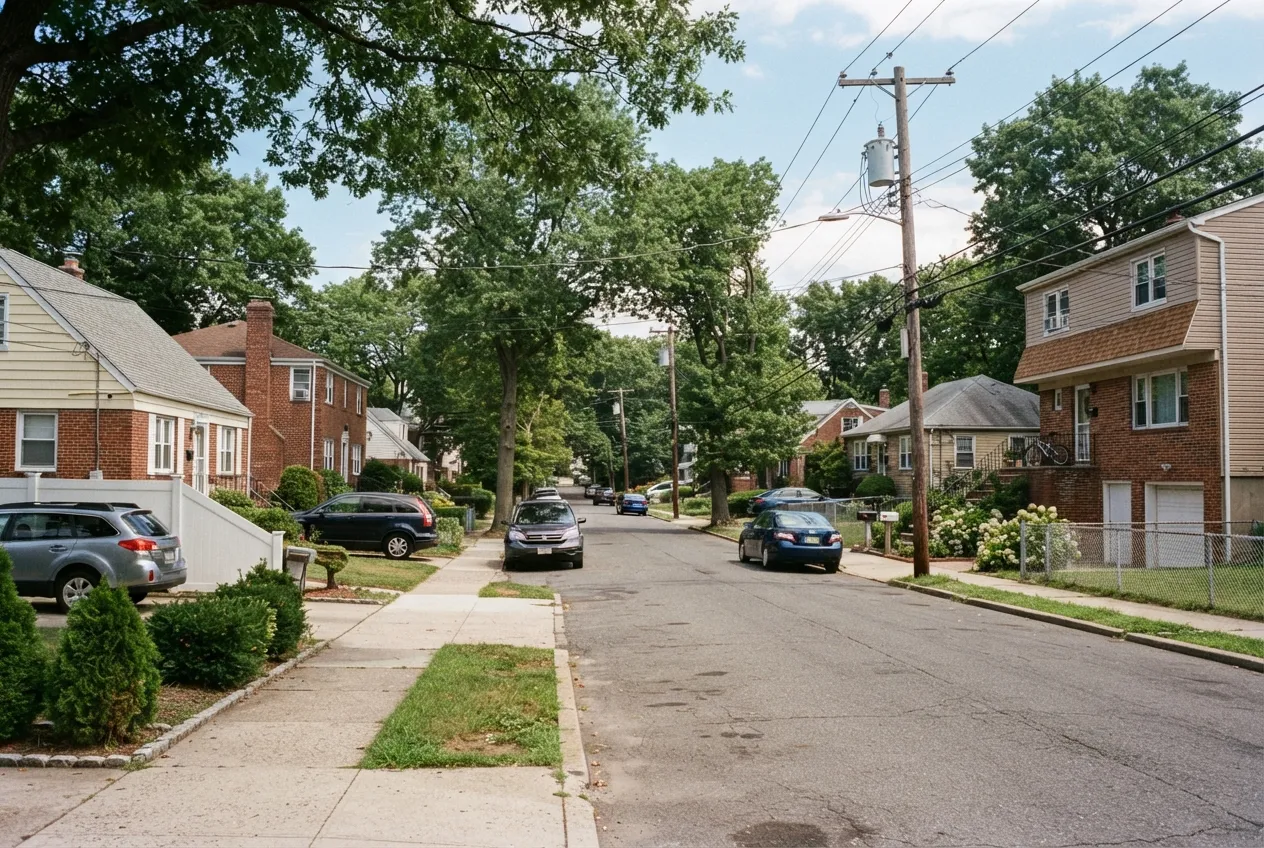
Eltingville's housing is mostly detached and semi-attached houses, including many two-family homes. A typical chimney here may serve a living room fireplace, a basement boiler or furnace, a water heater, or some combination. Each of those appliances sends exhaust up its own flue, and each flue builds up something different. Wood fires leave creosote and soot. Oil heat leaves a fine soot that can scale off and settle at the base of the flue. Gas appliances burn cleaner, but their flues can still collect debris, nests and crumbling masonry.
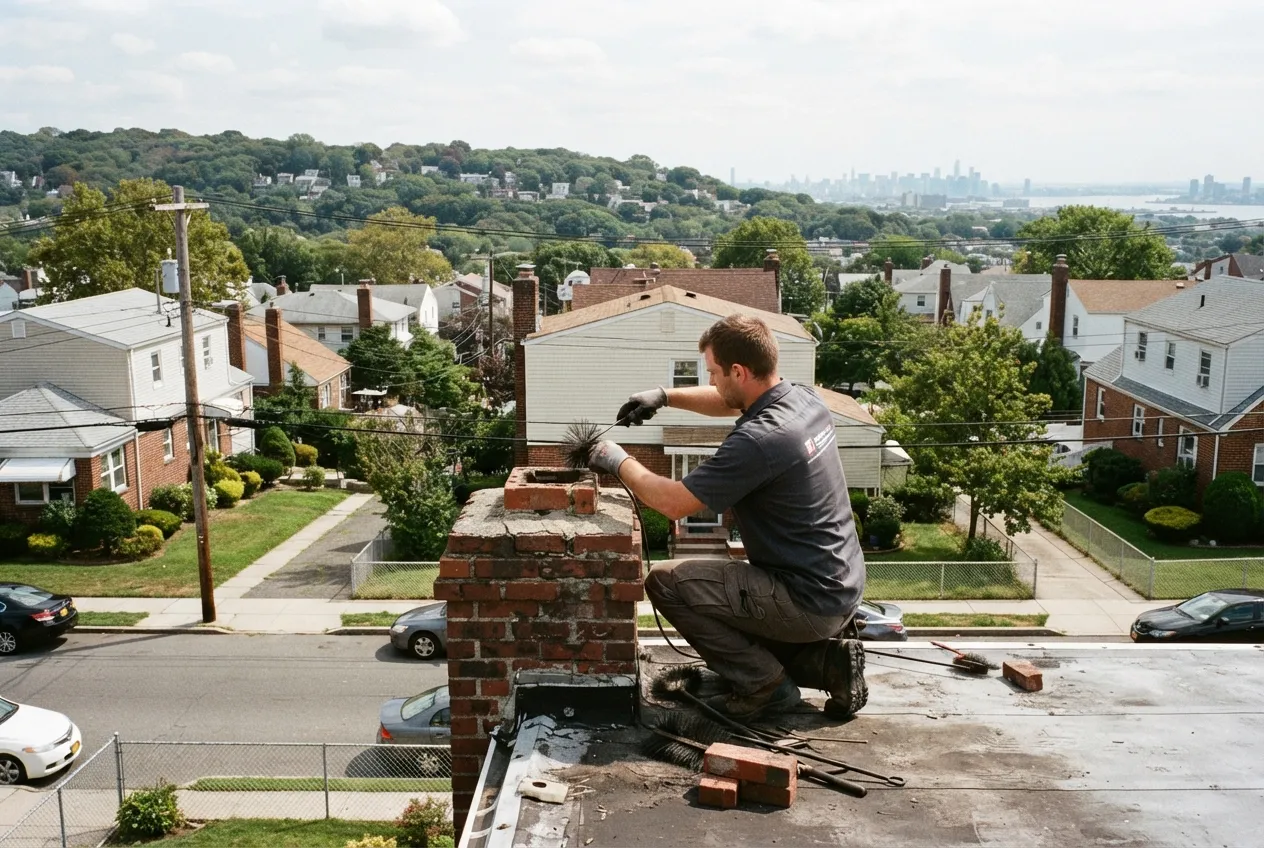
A sweep clears that material so smoke and combustion gases can leave your home freely. It also lets the technician see inside the flue, which is where most chimney problems start and where homeowners can't easily look themselves.
Heating Flues and Oil-to-Gas Conversions
Plenty of Staten Island homes have switched, or are thinking about switching, from oil heat to gas. When a New York City building converts its boiler from oil to gas, the chimney has to be evaluated as part of the work. A new liner is often needed, because gas exhaust produces acidic condensate that can corrode a masonry flue that was never built to handle it.
If your Eltingville home has already converted, a sweep and inspection can show whether the existing liner is holding up. If you're planning a conversion, having the chimney cleaned and evaluated beforehand gives you and your heating contractor a clearer picture of what the flue will need. We also check that water heaters sharing a chimney are venting the way they should.
How Often to Schedule a Sweep
The NFPA 211 standard calls for chimneys, fireplaces and vents to be inspected once a year. Whether a full cleaning is needed each time depends on how much buildup the technician finds and how often you use the fireplace or heating system. A home that burns wood most winter weekends will usually need more frequent sweeping than one that lights a fire a few times a year.
Timing matters too. New York City's heat season runs from October 1 through May 31. Booking in late summer or early fall means your heating flue is clear before the boiler starts working hard, and there's time to handle any repairs before cold weather sets in.
Inspections come in three levels. Level 1 applies when nothing about the system has changed. Level 2 is used when the system changes, such as a new appliance or a switch of fuel, or when the home is sold. Level 3 is used when a hidden hazard has to be reached by opening part of the chimney or building.
Time for your annual chimney check?
What to Expect During Your Visit
We work to keep the job clean and to keep you informed from start to finish.
- Drop cloths and covers placed around the fireplace or appliance connection
- Brushing of the flue from the top, bottom or both, depending on how the chimney is built
- Vacuum equipment to contain soot and keep dust out of your living space
- A check of the firebox, damper, smoke chamber, flue liner and visible masonry
- A look at the chimney cap and crown for damage or missing pieces
- A plain explanation of what we found, with photos when they help
Signs Your Chimney Needs Attention Now
Some problems shouldn't wait for your yearly appointment. Call for a sweep and inspection if you notice any of the following:
- Smoke drifting into the room when the fireplace is lit
- A strong smoky or musty odor, especially in humid weather
- Black, flaky or tar-like deposits in the firebox or on the damper
- Pieces of tile or masonry falling to the base of the flue
- Animal sounds, nesting material or debris coming down the chimney
- Water stains near the chimney on interior walls or ceilings
Serving Eltingville and Nearby Neighborhoods
Along with Eltingville, we sweep chimneys in Great Kills, Oakwood, Richmondtown, Arden Heights and Rossville. Homes across this part of Staten Island share a lot of the same chimney concerns: fireplaces that see seasonal use, heating flues that run every winter, and older masonry exposed to coastal weather. Whatever setup you have, we'll clean it properly and tell you honestly what we see.
More services in Eltingville
- Chimney Inspection in Eltingville
- Chimney Repair in Eltingville
- Air Duct Cleaning in Eltingville
- Chimney Liner Installation in Eltingville