The short answer
A Great Kills chimney usually needs a new liner when the existing flue tiles are cracked or deteriorating, or when a heating appliance is replaced or switched from oil to gas. We inspect the flue, size a liner to the appliance it serves, and install it so exhaust vents safely.
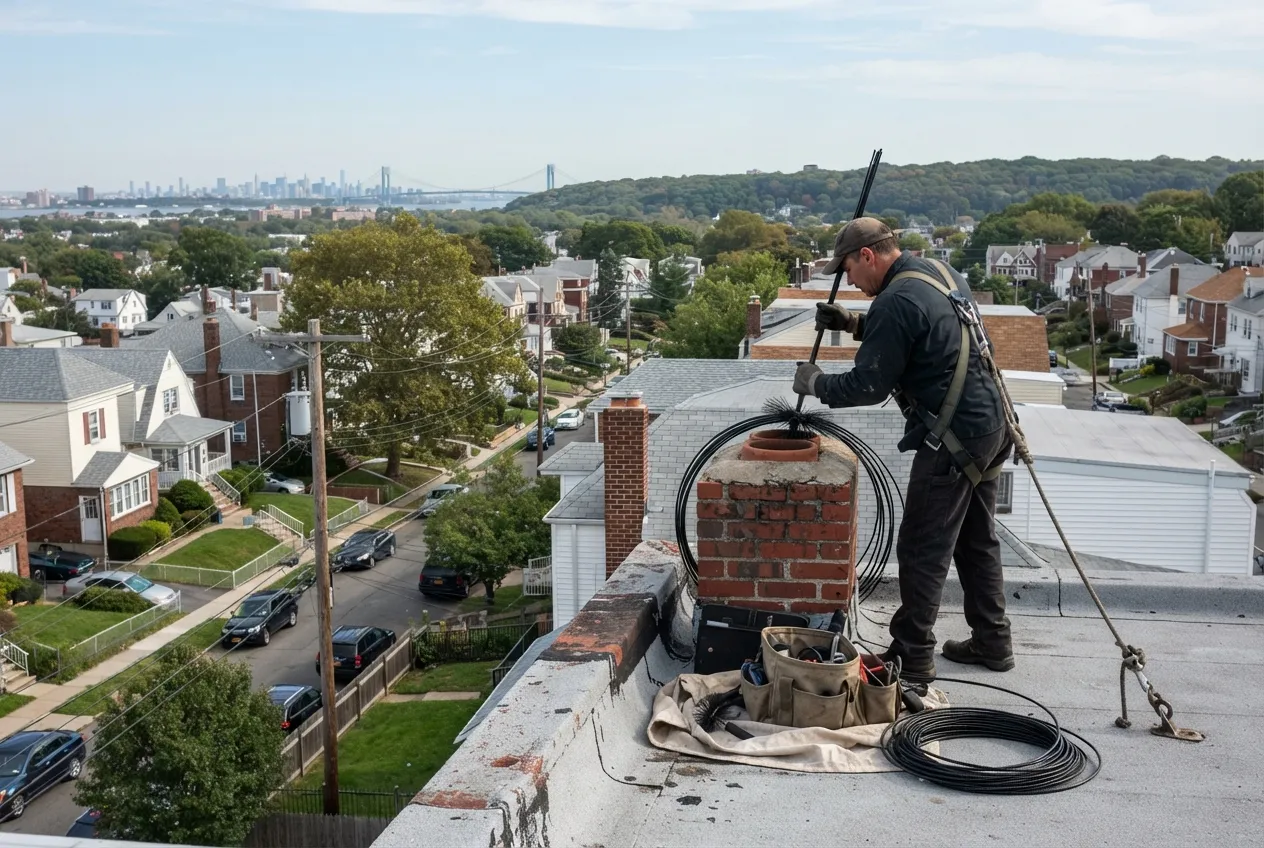
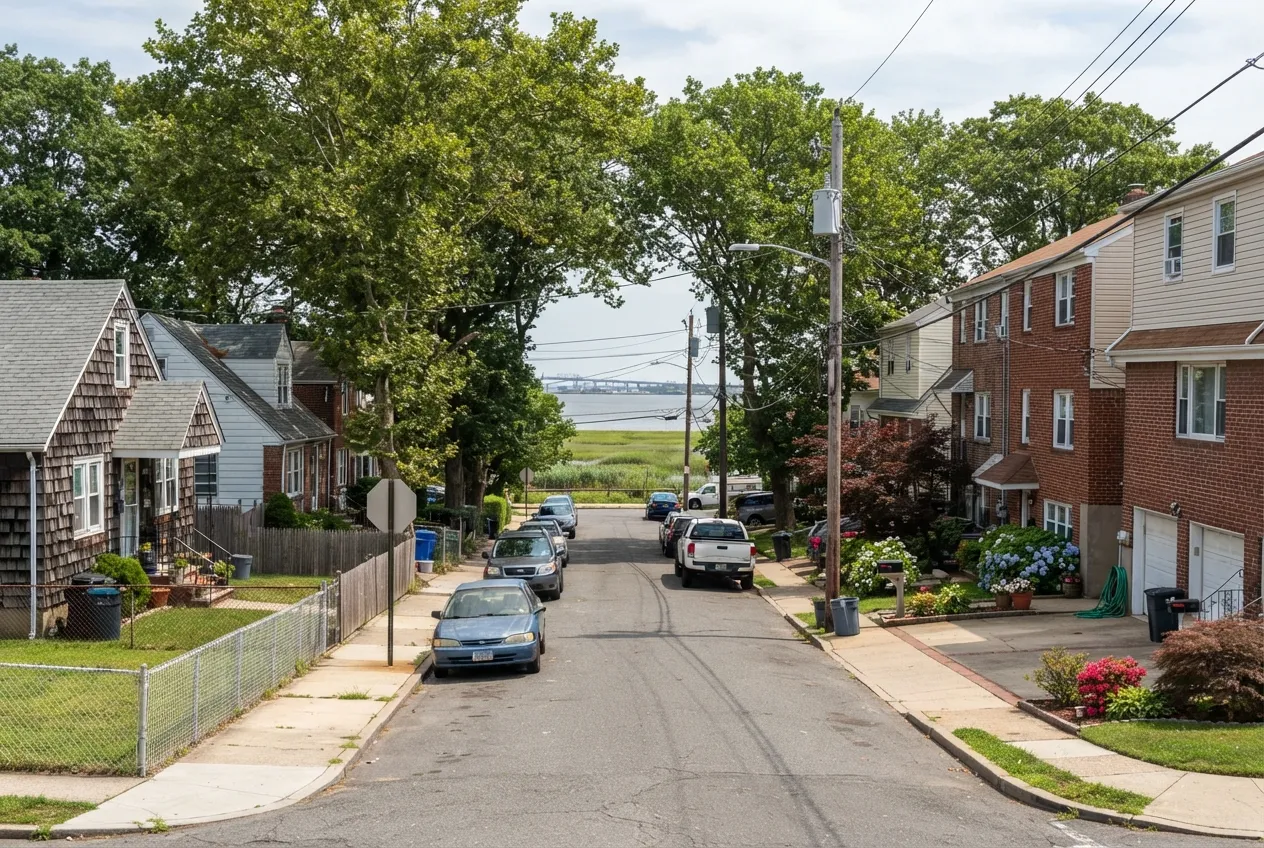
Many homes in Great Kills are detached and semi-attached houses built across several decades, and a lot of them still vent a boiler, furnace, water heater or fireplace through the original masonry flue. That flue lining does a quiet but important job: it contains heat, carries exhaust safely out of the house, and protects the brick from acidic combustion byproducts. When the lining cracks or crumbles, or when the heating equipment changes, the chimney may need a new liner. BluePeak Chimney Service installs chimney liners for homeowners in Great Kills (10308), about a mile from our Staten Island office. Our certified technicians inspect the flue first, show you what we find, and recommend a liner only when the chimney actually needs one.
Signs Your Chimney May Need a New Liner
Liner problems are rarely visible from the yard. Most are found during an inspection, when a technician looks down the flue with a camera. Still, some warning signs show up inside the house or on the chimney itself, and they are worth having checked before the next heating season.
In older masonry chimneys, clay tile liners can crack from years of heating and cooling, from a chimney fire, or from moisture working into the joints. Gaps between tiles let heat and exhaust reach the surrounding brick and framing, which is exactly what a liner is supposed to prevent.
- Pieces of tile or mortar collecting at the base of the flue or in the cleanout
- Water stains, peeling paint or damp spots on walls near the chimney
- White, chalky staining (efflorescence) on the outside brick
- Cracked, shifted or missing flue tiles found during an inspection
- A boiler, furnace or water heater that has been replaced or converted to a different fuel
Oil-to-Gas Conversions and New Heating Equipment
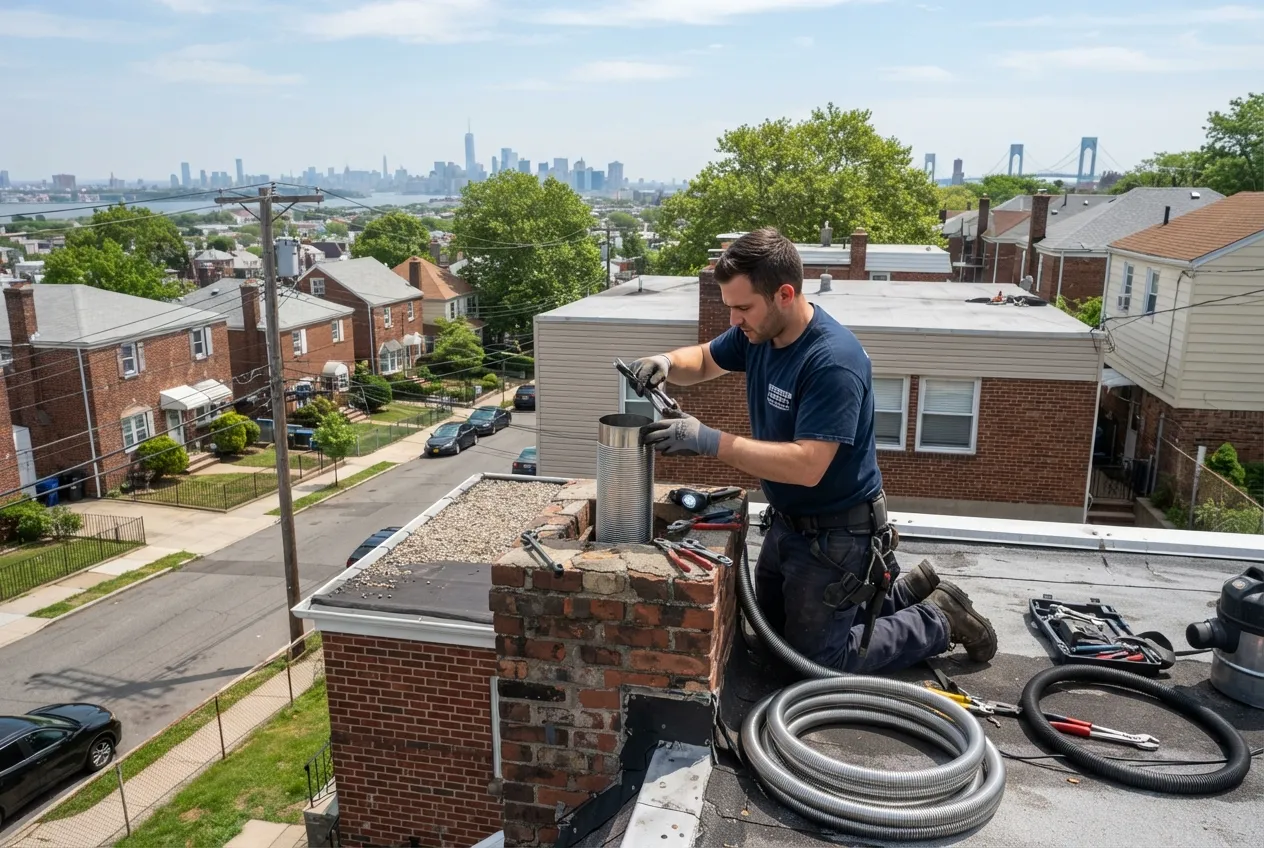
Plenty of Staten Island homes have moved from oil heat to gas. When a building in New York City converts its boiler from oil to gas, the chimney has to be evaluated as part of the work, and a new liner is often needed. Gas exhaust produces acidic condensate, and over time that moisture can corrode a masonry flue that was originally built for oil.
The NFPA 211 standard also calls for a more detailed Level 2 inspection whenever the system changes, such as installing a new appliance or switching fuels. That inspection tells us whether the existing flue is the right size and in good enough condition for the new equipment, or whether a properly sized liner should go in before the system runs.
Choosing the Right Liner for Your Chimney
There is no single liner that fits every house. The right choice depends on what the flue serves, the fuel it burns, the size and shape of the chimney, and the condition of the masonry. We explain the options that make sense for your chimney rather than pushing one product.
Sizing matters as much as material. A liner that is too large for a modern, efficient appliance can let exhaust cool too quickly and condense, while one that is too small can restrict draft. We match the liner to the appliance manufacturer's requirements.
- Stainless steel liners, commonly used for gas and oil appliances and for wood stove inserts
- Liners rated specifically for gas appliances where that fits the equipment
- Cast-in-place liners for some masonry chimneys with damaged or irregular flues
- Insulation where the installation calls for it, to help maintain draft and clearances
Time for your annual chimney check?
What Liner Installation Involves
Most liner jobs follow the same basic steps, though older chimneys sometimes need repairs before the liner can go in. We walk you through the plan before any work starts, so you know what will happen and why.
- Camera inspection of the flue and a review of the appliance it serves
- Cleaning the chimney so the new liner goes into a clear flue
- Removing broken tile or obstructions if needed
- Installing the liner from the top down and connecting it to the appliance
- Fitting a top plate and cap to keep out rain and animals
- Checking the draft and showing you the finished work
Scheduling Around New York City's Heat Season
New York City's heat season runs from October 1 through May 31. If you rent out part of a two-family home, you are expected to keep units heated during those months, and a boiler shut down for chimney work at the wrong time can create real problems. Planning a liner installation in late spring or summer gives you room to handle any repairs without rushing.
Beyond Great Kills, we install chimney liners for homeowners in Eltingville, Oakwood, Richmondtown, Arden Heights and Rossville. The same standard applies everywhere we work: inspect first, explain clearly, and install only what the chimney needs.
More services in Great Kills
- Chimney Sweep in Great Kills
- Chimney Inspection in Great Kills
- Chimney Repair in Great Kills
- Air Duct Cleaning in Great Kills